Baja California

OpenRoom put together a mini guide of things you might want to know before your trip to Baja California! Nevertheless, don't forget to scroll down to the comments to see tips & tricks from travelers who've been there!
TIJUANA
📍 Where to find activities
→ Avenida Revolución ("La Revu") — The historic main street and tourist spine of Tijuana. Bars, clubs, souvenir shops, craft breweries, and the iconic Tijuana Arch. It has been a nightlife destination for over a century, since Prohibition-era Americans crossed the border to drink.
→ Pasaje Rodríguez — A covered alleyway connecting Avenida Revolución with Avenida Constitución. Street art, murals, indie bookshops, record stores, and artisan markets on weekends.
→ Centro Cultural Tijuana (CECUT) — The city's main cultural center in the Zona Río neighborhood. Museum, IMAX theater inside a distinctive sphere-shaped building, gardens, and rotating exhibitions.
→ Playas de Tijuana — The beach neighborhood on the Pacific coast. A boardwalk, surfing, seafood stands, and the spot where the border fence meets the ocean.
→ Mercado Hidalgo — A traditional market in downtown with produce, meats, piñatas, chiles, and local food.
📍 Where to eat
→ Zona Centro / Avenida Revolución — Tacos (birria, carne asada, fish), craft beer, and a fast-growing fine dining scene. Tijuana's food scene is considered one of the most creative and diverse in Mexico.
→ Zona Río — More upscale and international restaurants away from the tourist strip.
📍 Where to go out
→ Avenida Revolución—The nightlife strip. Dance clubs, dive bars, craft breweries, speakeasies, and everything in between. The scene gets more adult-oriented after 11 PM. The strip north of Calle Segunda toward Zona Norte is the red-light district.
→ Zona Centro side streets — Smaller bars, mezcalerías, and craft cocktail spots off the main drag.
📍 Where to find culture
→ Centro Cultural Tijuana (CECUT) — Art exhibitions, performances, and the Museo de las Californias.
→ Pasaje Rodríguez — Street art, galleries, and the creative side of downtown Tijuana.
→ The Zonkey (painted donkey) — A Tijuana tradition since the 1940s. Donkeys painted with zebra stripes for black-and-white photo ops on Avenida Revolución.
📍 Nearby destinations
→ Ensenada (1.5 hrs south), Valle de Guadalupe (2 hrs south), Rosarito (30 min south), San Diego, USA (border crossing)
ENSENADA
📍 Where to find activities
→ La Bufadora — One of the largest marine geysers in North America. Located on the Punta Banda peninsula south of Ensenada. Water shoots over 30 meters from a sea cave. A crafts market and seafood stands line the path to the blowhole.
→ Malecón and waterfront — The cruise port area with restaurants, bars, and the fish market.
→ Mercado Negro (Black Market) — The fish and seafood market where you can buy and eat fresh catches.
→ Hussong's Cantina — One of the oldest cantinas in Baja California, operating since 1892.
→ La Calle Primera (Avenida López Mateos) — The main tourist street with restaurants, bars, and shops.
📍 Where to eat
→ Waterfront / Mercado Negro — Fresh seafood, fish tacos, ceviche, and cocteles de mariscos. Ensenada is famous for its fish tacos.
→ Calle Primera — Tourist-oriented restaurants and bars.
📍 Where to go out
→ Calle Primera / Hussong's Cantina area — Bars, cantinas, and live music. Ensenada's nightlife is smaller and more relaxed than Tijuana's.
📍 Where to find culture
→ Riviera del Pacífico — A former casino and hotel from the 1930s, now a cultural center and event space with gardens and architecture worth visiting.
→ Hussong's Cantina — Historic cantina, a Baja California landmark.
📍 Nearby destinations
→ Valle de Guadalupe (30 min inland), La Bufadora (30 min south), Tijuana (1.5 hrs north)
VALLE DE GUADALUPE
📍 Where to find activities
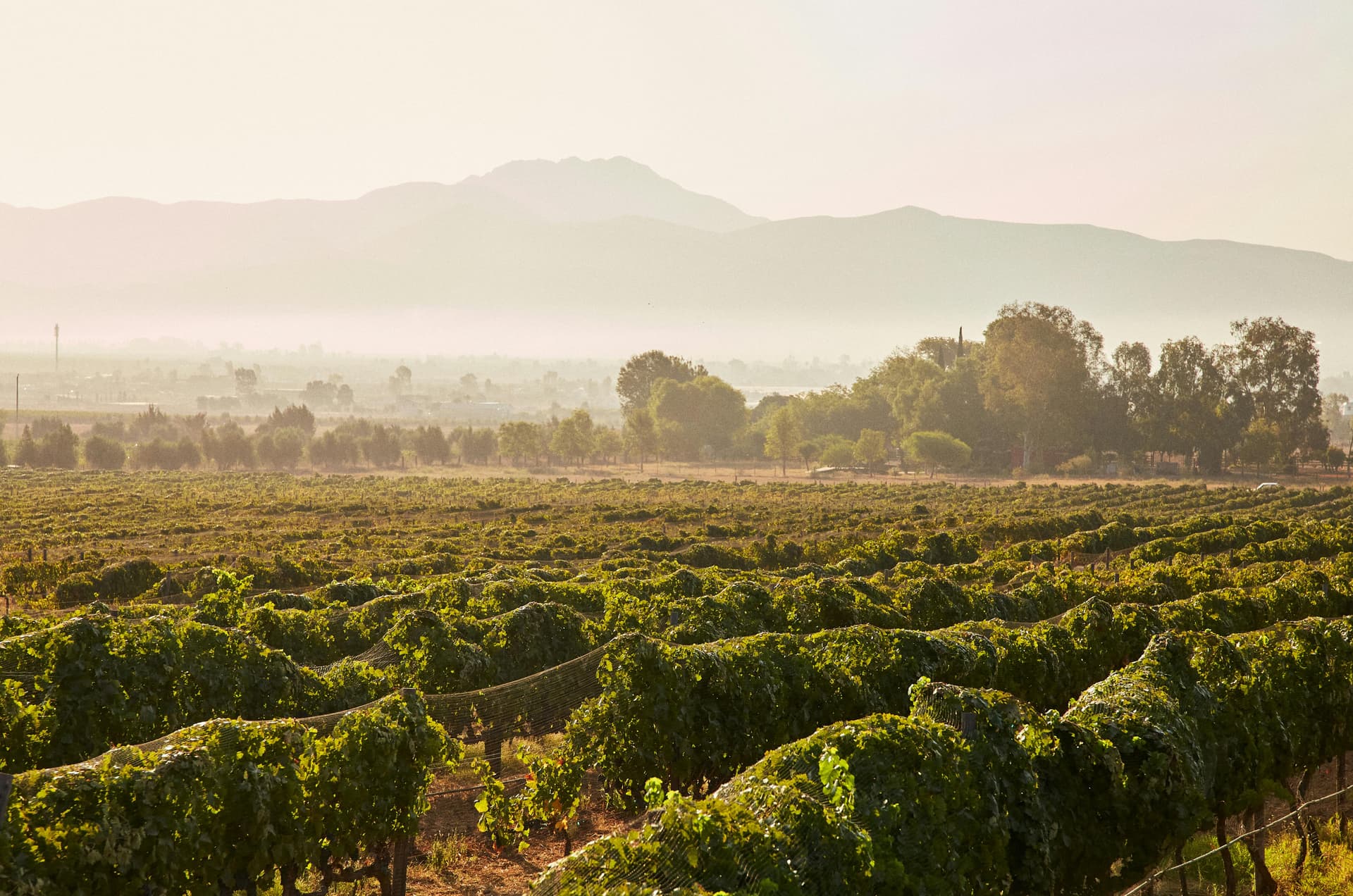
→ Ruta del Vino (Wine Route) — Mexico's premier wine region. Dozens of wineries ranging from large estates to small family operations line the valley roads. The main activity is wine tasting — most wineries offer tastings and tours.
→ Gastronomy — The valley has become one of Mexico's most important dining destinations, with farm-to-table restaurants using local ingredients. The food scene here is as much of a draw as the wine.
→ Olive oil and cheese producers — Artisan producers throughout the valley offer tastings.
→ Boutique hotels and glamping — Architecturally designed accommodation scattered through the vineyards and hills.
📍 Where to eat
→ Throughout the valley — Restaurants are spread along the wine route roads. The dining here ranges from casual vineyard patios to high-end gastronomy.
📍 Where to go out
→ Valle de Guadalupe has no nightlife. It is a daytime wine-and-food destination. Most people return to Ensenada or Tijuana in the evening or stay at their hotel.
📍 Where to find culture
→ The culture here is wine, food, and agriculture. The valley landscape—vineyards, olive groves, and desert hills—is the experience itself.
📍 Nearby destinations
→ Ensenada (30 min), Tijuana (2 hrs), San Diego border crossing (2.5 hrs)
📍 Nearby destinations (secondary)
Tecate
→ A small border town east of Tijuana, known for the Tecate brewery (the beer is brewed here) and a quieter, more local atmosphere than Tijuana. The main plaza, Parque Hidalgo, has a relaxed, small-town feel. Tecate is also home to a growing craft beer and bread-making scene. It functions as a pueblo mágico.
→ Rancho La Puerta — A well-known wellness resort and spa in the hills near Tecate.
→ Very limited nightlife — this is a day-trip or transit destination.
📍 Climate by season
Baja California has a Mediterranean climate on the coast (similar to Southern California) and a drier, more extreme desert climate inland.
Winter (December–February) — Highs around 18–22°C (64–72°F). Lows around 8–12°C (46–54°F). Some rain, especially December and January. Coolest months. The coast can be foggy and windy.
Spring (March–May) — Highs around 20–26°C (68–79°F). Lows around 10–15°C (50–59°F). Dry and pleasant. Wildflower season in the desert interior.
Summer (June–September) — Highs around 26–32°C (79–90°F). Lows around 16–20°C (61–68°F). Warm and dry on the coast. Inland (Valle de Guadalupe, Tecate) can be very hot. This is peak season for the wine region.
Fall (October–November) — Highs around 22–28°C (72–82°F). Dry, warm, and less crowded. Harvest season in Valle de Guadalupe — the busiest time for the wine route.
📍 Areas that may not be safe
Based on news reports and online sources, these are the areas that may not be safe:
Tijuana — Zona Norte (red-light district, north of Calle Coahuila on Avenida Revolución). Colonias on the eastern outskirts of the city. Avenida Revolución north of Calle Segunda after dark.
Ensenada — Some outlying neighborhoods away from the tourist waterfront.
(Picture credit: Walther Cardona Gabriela)
Comments
0 commentsJoin the conversation and share your perspective.