Baja California Sur

OpenRoom put together a mini guide of things you might want to know before your trip to Baja California Sur! Nevertheless, don't forget to scroll down to the comments to see tips & tricks from travelers who've been there!
LOS CABOS (Cabo San Lucas + San José del Cabo)
📍 Where to find activities
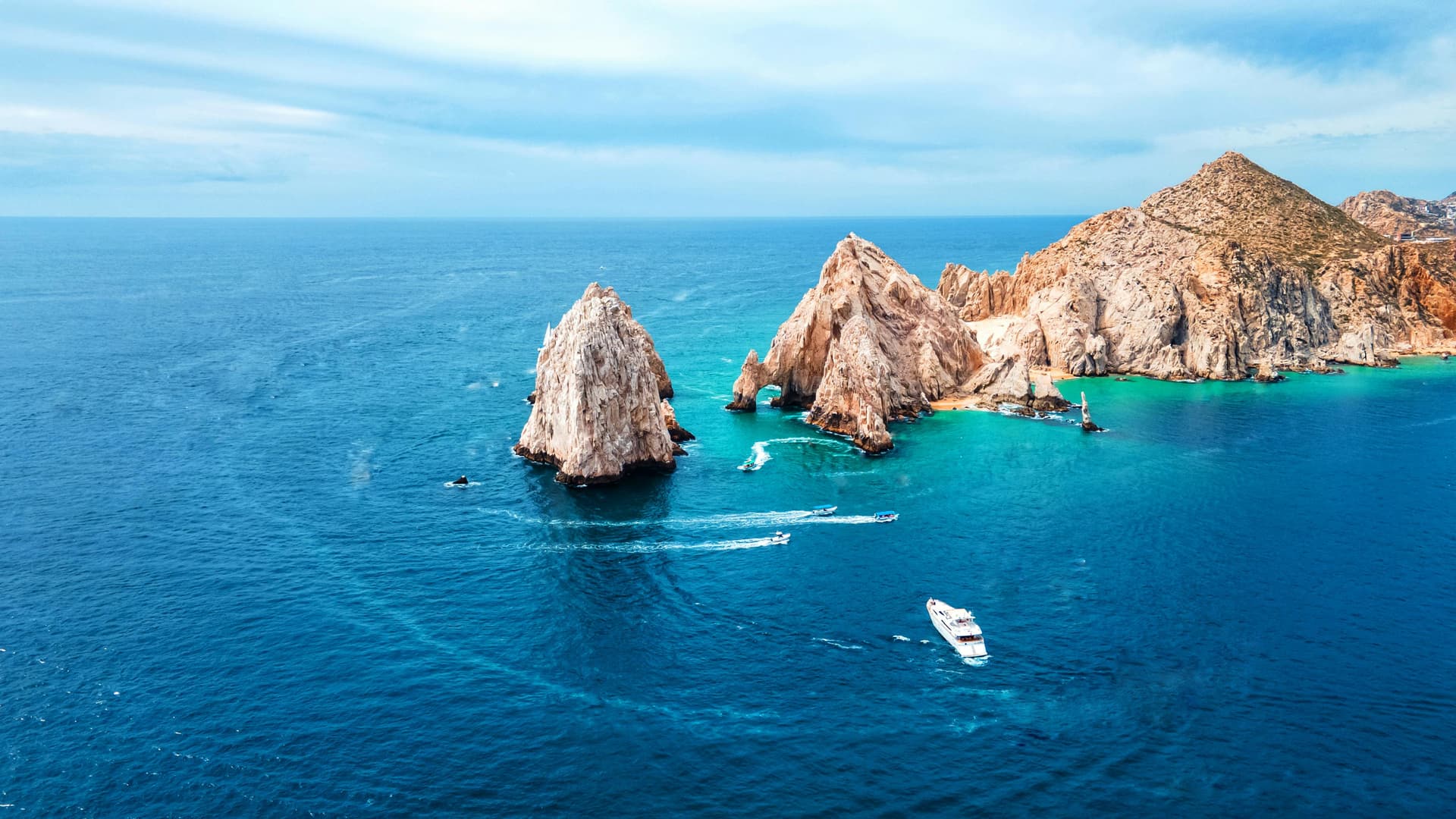
→ El Arco de Cabo San Lucas — The iconic natural rock arch at the tip of the Baja Peninsula where the Pacific Ocean meets the Sea of Cortez. Accessible by water taxi or boat tour.
→ Playa Medano — The main swimmable beach in Cabo San Lucas. Beach clubs, water sports, jet skiing, parasailing, and restaurants on the sand.
→ Playa del Amor (Lover's Beach) / Playa del Divorcio (Divorce Beach) — Adjacent beaches near El Arco, accessible by water taxi.
→ Chileno Bay / Santa María Bay — Calm, protected coves along the Tourist Corridor between Cabo San Lucas and San José del Cabo. Some of the best snorkeling spots in Los Cabos.
→ Wild Canyon Adventure Park — Zip-lining, bungee jumping, ATV tours, and glass-bottom gondola rides in a canyon setting.
→ Whale watching — Humpback and gray whales from December to April. Cabo sits at one of the best whale migration points in the world.
→ Deep-sea fishing — Los Cabos is one of the sport fishing capitals of the world. Marlin, tuna, and dorado.
→ Marina Cabo San Lucas — The central waterfront with yacht charters, restaurants, bars, and shopping.
→ San José del Cabo Art District — Every Thursday evening (November–June), galleries open their doors for the Art Walk. A quieter, more cultural counterpart to Cabo San Lucas.
→ Flora Farms / Acre — Working organic farms in the foothills between the two towns, with restaurants and events.
📍 Where to eat
→ Cabo San Lucas — Marina area, downtown along Boulevard Marina, and Playa Medano for beachfront dining. Mix of tourist-oriented restaurants and local food.
→ San José del Cabo — The Art District (Calle Álvaro Obregón) has the best restaurant concentration. More refined, quieter, and more authentically Mexican than Cabo San Lucas.
→ Tourist Corridor — High-end resort dining and standalone restaurants between the two towns.
📍 Where to go out
→ Cabo San Lucas downtown — One of the biggest party scenes in Mexico. El Squid Roe (three floors), Cabo Wabo (Sammy Hagar's cantina), Mandala, La Vaquita, Crush, and Señor Frog's. The strip along Boulevard Marina and the streets behind it is the main nightlife zone.
→ Playa Medano — Mango Deck, Nikki Beach, and other beach clubs that turn into party venues at night.
→ San José del Cabo — Quieter nightlife. Wine bars, mezcalerías, and live music in the Art District. Not a party destination.
📍 Where to find culture
→ San José del Cabo Art District — Galleries, murals, and the Thursday Art Walk.
→ Misión de San José del Cabo Anuití — Historic Jesuit mission church (1730) in the town center of San José.
→ Plaza Amelia Wilkes — San José's main square with local vendors and a relaxed atmosphere.
📍 Nearby destinations
→ Todos Santos (1 hr), La Paz (2.5 hrs), Cabo Pulmo (2 hrs), El Pescadero (45 min)
LA PAZ
📍 Where to find activities
→ Playa Balandra — Frequently ranked as one of the most beautiful beaches in Mexico. Crystal-clear, shallow turquoise water surrounded by desert mountains and cactus. A protected area with daily visitor limits and a digital bracelet entry system.
→ Isla Espíritu Santo — Uninhabited island archipelago in the Sea of Cortez, about 45 minutes by boat from La Paz. Volcanic rock formations, turquoise coves, and white sand beaches. The main activity is snorkeling with a large California sea lion colony at Los Islotes. A Mexican national park.
→ Whale shark swimming — La Paz is one of the best places in the world to swim with whale sharks. The season runs approximately October to April.
→ Playa El Tecolote — A long public beach near Balandra with views of Isla Espíritu Santo. Less crowded, with restaurants and hammock rentals.
→ Malecón — La Paz's waterfront promenade with sculptures, restaurants, bars, and sunset views.
→ Diving — Shipwrecks (Fang Ming), sea lion diving, reef diving, and the chance of hammerhead sharks and manta rays in the Sea of Cortez.
📍 Where to eat
→ Malecón and surrounding streets — Seafood, tacos, palomas, and a growing restaurant scene. La Paz is much more affordable than Los Cabos.
📍 Where to go out
→ La Paz has modest nightlife. Bars along the Malecón and a handful of mezcalerías. It is not a party destination — the draw here is nature and the ocean.
📍 Where to find culture
→ Museo de Antropología e Historia de Baja California Sur — History of the peninsula from prehistory to the Revolution.
→ Catedral de Nuestra Señora de La Paz — Historic cathedral near the Malecón.
→ The malecón itself—sculptures, street life, and the most relaxed urban atmosphere in BCS.
📍 Nearby destinations
→ Balandra (30 min), Isla Espíritu Santo (45 min–1.5 hrs by boat), Todos Santos (1.5 hrs), Los Cabos (2.5 hrs)
📍 Nearby destinations (secondary)
Todos Santos
→ A pueblo mágico about 1 hour north of Cabo San Lucas on the Pacific side. Art galleries, boutique shops, organic restaurants, and a surf-and-art community. Famous for the Hotel California (which locals claim inspired the Eagles song — the band has denied it, but the hotel leans into the legend).
→ Playa Los Cerritos — The main surf beach near Todos Santos. Beginner-friendly waves with surf schools.
→ The town has a thriving arts scene with galleries and cultural festivals, particularly during winter season.
→ Very limited nightlife — a few bars and live music spots. This is a laid-back, creative-community town.
Loreto
→ A small, historic town on the Sea of Cortez coast, about 5 hours north of La Paz. The site of the first permanent Spanish mission in the Californias (Misión de Nuestra Señora de Loreto, founded 1697).
→ Parque Nacional Bahía de Loreto — A marine national park protecting islands and waters in the Sea of Cortez. Snorkeling, diving, kayaking, and whale watching.
→ Isla Coronado and Isla del Carmen — Islands accessible by boat with pristine beaches and marine life.
→ Very quiet town with colonial architecture, a malecón, and an emerging food scene. No significant nightlife.
Cabo Pulmo
→ A tiny community on the East Cape, about 2 hours from Cabo San Lucas. Home to Cabo Pulmo National Park, which protects the only living coral reef in the Sea of Cortez. World-class snorkeling and diving directly from shore. The reef supports massive schools of fish, sea lions, rays, and sea turtles.
→ No ATMs, limited cell signal, and very basic infrastructure. This is a remote ecotourism destination.
El Pescadero
→ A small agricultural and surf community between Todos Santos and Cabo San Lucas on the Pacific coast. Playa Los Cerritos surf break is technically in El Pescadero.
→ Growing organic farm and restaurant scene. Several working farms offer farm-to-table dining.
→ Quieter and more affordable than Todos Santos. Dirt roads, surf vibes, and a digital nomad community starting to grow.
📍 Climate by season
Baja California Sur has a desert climate — dry, sunny, and hot most of the year. The Sea of Cortez side (La Paz, Loreto, Cabo Pulmo) is warmer and calmer than the Pacific side (Todos Santos, El Pescadero).
Winter / Dry season (November–April) — Highs around 24–29°C (75–84°F). Lows around 13–18°C (55–64°F). Sunny with very little rain. The most popular season. Ocean water is cooler (21–24°C / 70–75°F on the Sea of Cortez side). Whale season: December–April. Whale shark season in La Paz: October–April.
Summer / Hot season (May–October) — Highs around 32–38°C (90–100°F). Lows around 24–27°C (75–81°F). Very hot and humid, especially August and September. Hurricane season runs June to November, with the highest risk in September and October. The ocean is warm (27–30°C / 81–86°F). Fewer tourists, lower prices.
Transition months (May, June, October, November)—Can be excellent—warm, dry, and less crowded.
📍 Areas that may not be safe
None found. Nevertheless, make sure to double-check prior to visiting a place that it is safe!
(Picture credit: Jules Clark)
Comments
0 commentsJoin the conversation and share your perspective.