Florida
OpenRoom put together a mini guide of things you might want to know before your trip to Florida! Nevertheless, don't forget to scroll down to the comments to see tips & tricks from travelers who've been there!
MIAMI
📍 Where to find activities
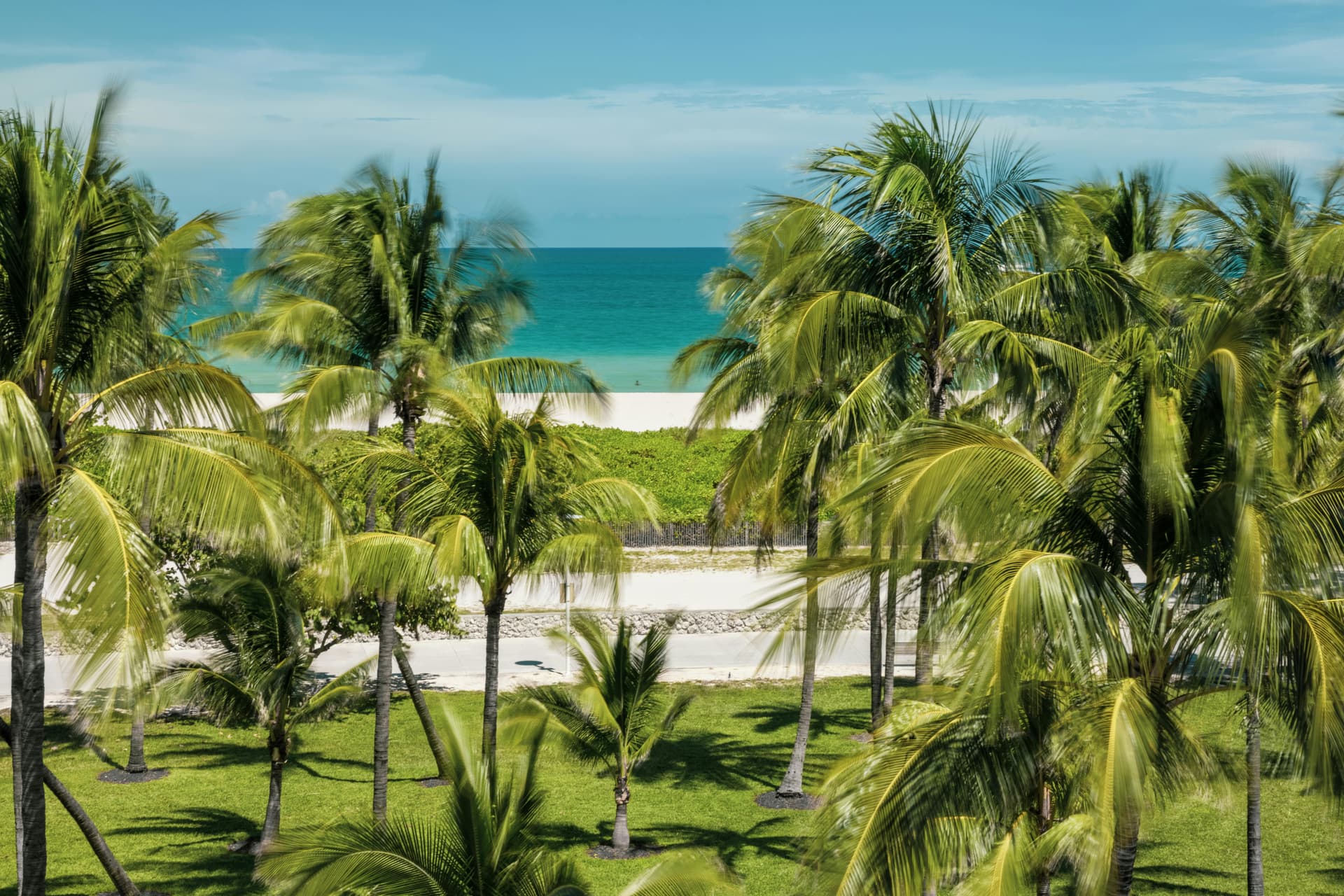
→ South Beach (Miami Beach) — The iconic stretch of white sand beach along the Atlantic, backed by the Art Deco Historic District on Ocean Drive. Pastel-colored 1930s–40s buildings, sidewalk cafés, and the beach boardwalk. Collins Avenue and Lincoln Road Mall for shopping.
→ Wynwood—Miami's street art and creative district. Former warehouses transformed into galleries, murals, restaurants, bars, and nightclubs. Wynwood Walls is the centerpiece — an outdoor museum of large-scale murals by international artists. The Museum of Graffiti is also here. Wynwood Art Walk happens on the second Saturday of each month.
→ Little Havana — The Cuban-American heart of Miami, centered on Calle Ocho (SW 8th Street). Walk-up coffee windows serving Cuban coffee, cigar shops, domino players in the park, and live salsa music.
→ Brickell — Miami's financial district and a dense urban neighborhood with high-rises, restaurants, rooftop bars, and Brickell City Centre (shopping). The Metromover (free elevated train) runs through the area.
→ Design District — A neighborhood of luxury boutiques, contemporary art galleries, and the Institute of Contemporary Art (ICA Miami).
→ Key Biscayne — An island south of Miami Beach with Crandon Park beach, Bill Baggs Cape Florida State Park, and a historic lighthouse.
→ Everglades — Everglades National Park is about 45 minutes west of Miami. Airboat tours, alligators, manatees, and subtropical wetland landscapes.
→ Art Basel Miami Beach — One of the most important contemporary art fairs in the world, held annually in early December. Wynwood and the entire city activate with exhibitions, parties, and installations during that week.
→ Ultra Music Festival — A large-scale electronic music festival held annually in late March at Bayfront Park in downtown Miami.
📍 Where to eat
→ Little Havana / Calle Ocho — Cuban food: Cuban sandwiches, ropa vieja, croquetas, café cubano.
→ Wynwood — International and fusion restaurants, food halls, and food trucks.
→ South Beach — Dining along Ocean Drive and Collins Avenue.
→ Brickell — A growing restaurant scene with Latin American, Asian, and contemporary American options.
📍 Where to go out
→ South Beach / Ocean Drive — The famous Miami nightlife strip. Clubs, bars, and lounges along the beach. The club scene is high-energy, expensive, and runs until sunrise.
→ Wynwood — A more creative and eclectic nightlife scene. Bars, breweries, rooftop lounges, and DJ events in a more casual atmosphere than South Beach.
→ Brickell / Downtown — Rooftop bars, cocktail lounges, and large-scale club venues.
→ Little Havana — Live salsa, Afro-Cuban music, and Latin jazz in bars along Calle Ocho.
📍 Where to find culture
→ Wynwood Walls and the Museum of Graffiti — Street art.
→ Pérez Art Museum Miami (PAMM) — Contemporary art on the waterfront in downtown.
→ Vizcaya Museum and Gardens — An Italian Renaissance-style villa with formal gardens on Biscayne Bay.
→ Little Havana — Cuban-American culture, food, music, and history.
→ Art Deco Historic District — South Beach's collection of 1930s–40s architecture.
→ Art Basel (December) and Miami Music Week (March).
📍 Nearby destinations
→ Fort Lauderdale (30 min), The Keys (3.5 hrs to Key West), Everglades (45 min), West Palm Beach (1.5 hrs)
ORLANDO
📍 Where to find activities
→ Theme parks — Walt Disney World (Magic Kingdom, EPCOT, Hollywood Studios, Animal Kingdom), Universal Orlando Resort (Universal Studios, Islands of Adventure, Epic Universe), SeaWorld, and LEGOLAND.
→ International Drive (I-Drive) — A commercial strip with attractions, restaurants, outlet malls, and entertainment venues.
→ Disney Springs — An outdoor shopping, dining, and entertainment complex at Walt Disney World. No theme park admission required.
→ Winter Park — A walkable, upscale town adjacent to Orlando with brick streets, independent boutiques, and Park Avenue for dining and shopping. The Charles Hosmer Morse Museum of American Art has a significant collection of Louis Comfort Tiffany stained glass and art.
→ Natural springs — Several natural springs are within day-trip distance of Orlando: Blue Spring, Wekiwa Springs, Kelly Park/Rock Springs. Clear water, kayaking, tubing, and manatee sightings in winter months at Blue Spring.
📍 Where to eat
→ International Drive — Chain restaurants and tourist dining, but also food halls and some local spots.
→ Winter Park / Park Avenue — Independent restaurants and brunch spots.
→ Disney Springs — A wide range of dining options from casual to upscale, without requiring a park ticket.
📍 Where to go out
→ Downtown Orlando — Wall Street Plaza, Church Street, and the surrounding blocks form Orlando's main nightlife district. Bars, clubs, and live music.
→ International Drive — Tourist-oriented nightlife with bars and entertainment complexes.
→ The theme parks themselves have evening entertainment — EPCOT's World Showcase and Universal City Walk are popular evening destinations.
📍 Where to find culture
→ Walt Disney World's EPCOT — World Showcase features pavilions representing countries from around the world with architecture, food, and cultural exhibits.
→ Charles Hosmer Morse Museum (Winter Park) — Tiffany glass collection.
→ Orlando Museum of Art — Regional art museum.
→ Harry P. Leu Gardens — Botanical gardens in central Orlando.
📍 Nearby destinations
→ Cape Canaveral / Kennedy Space Center (1 hr), Tampa (1.5 hrs), Daytona Beach (1 hr), natural springs (30 min–1 hr)
TAMPA
📍 Where to find activities
→ Ybor City — Tampa's historic Latin quarter, originally built by cigar manufacturers. Brick streets, wrought-iron balconies, and a mix of Cuban, Spanish, and Italian heritage. Now the main nightlife and entertainment district.
→ Riverwalk — A waterfront walkway along the Hillsborough River connecting downtown attractions: the Tampa Museum of Art, the Florida Aquarium, Sparkman Wharf (restaurants and beer garden), and Curtis Hixon Park.
→ Bayshore Boulevard — A waterfront road with a long sidewalk along Hillsborough Bay, popular for running, biking, and sunset views.
→ Busch Gardens Tampa Bay—A theme park combining roller coasters with an African wildlife section.
→ Clearwater Beach / St. Pete Beach — Gulf Coast beaches about 30–40 minutes west of Tampa. White sand, calm water, and sunsets over the Gulf of Mexico.
📍 Where to eat
→ Ybor City — Cuban sandwiches, Spanish food, and historic dining. Tampa has a strong claim to the Cuban sandwich tradition.
→ Sparkman Wharf / Riverwalk area — Waterfront dining and food hall containers.
→ South Tampa / Hyde Park — Upscale dining and brunch spots along SoHo (South Howard Avenue).
📍 Where to go out
→ Ybor City — Tampa's main nightlife district. Bars, clubs, live music, and a lively weekend scene along 7th Avenue.
→ SoHo (South Howard) — A more upscale bar and restaurant strip.
→ Sparkman Wharf — Casual waterfront drinks.
📍 Where to find culture
→ Ybor City—The cigar-making history and Cuban/Spanish/Italian immigrant heritage.
→ Tampa Museum of Art — Contemporary and classical art on the Riverwalk.
→ The Dalí Museum — In nearby St. Petersburg (30 min from Tampa), housing a major collection of Salvador Dalí's works.
→ Florida Aquarium — On the Tampa waterfront.
📍 Nearby destinations
→ St. Petersburg (30 min), Clearwater Beach (40 min), Sarasota (1 hr), Orlando (1.5 hrs)
FORT LAUDERDALE
📍 Where to find activities
→ Fort Lauderdale Beach — A wide beach along the Atlantic with a pedestrian promenade (A1A). Less crowded and less expensive than Miami Beach.
→ Las Olas Boulevard — The main street of downtown Fort Lauderdale. Restaurants, boutiques, galleries, and sidewalk cafés. Runs from downtown to the beach.
→ Riverwalk Fort Lauderdale — A mile-long park along the New River in downtown with museums, restaurants, and water taxi stops.
→ Water taxis and canals—Fort Lauderdale has an extensive canal system. Water taxis serve as both transportation and a sightseeing experience.
→ Everglades day trips—The western edge of the Everglades is accessible from Fort Lauderdale.
→ Hugh Taylor Birch State Park — A coastal state park between the Intracoastal Waterway and the beach. Kayaking, hiking, and swimming.
📍 Where to eat
→ Las Olas Boulevard — The main dining strip. Diverse restaurants from casual to upscale.
→ Riverwalk area — Waterfront restaurants.
→ Fort Lauderdale Beach / A1A — Beachfront dining.
📍 Where to go out
→ Las Olas Boulevard — Bars, lounges, and live music venues. The main going-out area.
→ Fort Lauderdale Beach — Beach bars along A1A.
→ Himmarshee Village — A small nightlife district downtown with bars and clubs.
📍 Where to find culture
→ NSU Art Museum — Contemporary art in downtown Fort Lauderdale.
→ Bonnet House Museum & Gardens — A historic estate with art, gardens, and wildlife on the beach.
→ Fort Lauderdale is a major cruise port — many travelers pass through on their way to Caribbean cruises.
📍 Nearby destinations
→ Miami (30 min), West Palm Beach (1 hr), Boca Raton (30 min)
JACKSONVILLE
📍 Where to find activities
→ Jacksonville Beach / Atlantic Beach / Neptune Beach—Three connected beach towns on the Atlantic coast, about 30 minutes east of downtown Jacksonville. Surfing, fishing, and a boardwalk with restaurants and bars.
→ Riverside / Five Points — A walkable neighborhood with independent shops, cafés, murals, and a local creative scene. The Cummer Museum of Art & Gardens is here, on the St. Johns River.
→ San Marco—A historic neighborhood with a town square, boutiques, and restaurants.
→ Downtown / Riverfront — The St. Johns River runs through downtown Jacksonville. Friendship Fountain, the Riverwalk, and public parks along the water.
→ Fort George Island — Kayaking, hiking, and the Kingsley Plantation (a preserved plantation site).
📍 Where to eat
→ Riverside / Five Points — Independent restaurants, brunch spots, and coffee shops.
→ San Marco Square — Local dining in a historic neighborhood setting.
→ Jacksonville Beach — Seafood and beachfront dining.
📍 Where to go out
→ Jacksonville Beach—The main bar and nightlife strip along 1st Street, popular with a younger crowd.
→ Riverside / Five Points — More low-key bars, breweries, and live music venues.
→ Downtown—Some bars and venues along the river, but nightlife is more concentrated at the beach and in Riverside.
📍 Where to find culture
→ Cummer Museum of Art & Gardens—Art museum with gardens on the St. Johns River.
→ Museum of Contemporary Art Jacksonville (MOCA)—Contemporary art in downtown.
→ Riverside Arts Market — A Saturday market under the Fuller Warren Bridge with local art, food, and live music.
📍 Nearby destinations
→ St. Augustine (1 hr), Amelia Island (45 min)
TALLAHASSEE
📍 Where to find activities
→ Florida State University (FSU) campus—The main university presence in the city. The campus area drives much of Tallahassee's energy, dining, and social scene.
→ Cascades Park — An urban park downtown with an amphitheater, walking trails, and public art.
→ Lake Ella — A small lake surrounded by local businesses, a dog park, and walking paths.
→ Alfred B. Maclay Gardens State Park — Ornamental gardens and a lake for kayaking and swimming.
→ Wakulla Springs — About 20 minutes south of Tallahassee. A large freshwater spring with glass-bottom boat tours and swimming in the spring-fed pool.
→ St. Marks National Wildlife Refuge — About 30 minutes south. Coastal marshes, hiking trails, and a historic lighthouse.
📍 Where to eat
→ Midtown/near FSU campus—Restaurants, cafés, and student-friendly dining.
→ Railroad Square Art District — A small creative district with galleries, food trucks, and events.
→ Downtown — Local restaurants around the capitol area.
📍 Where to go out
→ CollegeTown — A development near FSU with bars, restaurants, and nightlife aimed at the college crowd.
→ Midtown — Bars and live music venues.
→ Tallahassee has a college-town nightlife driven by FSU and Florida A&M University—active during the school year, quieter in summer.
📍 Where to find culture
→ Florida State Capitol — The state government seat. The old Capitol building (now a museum) is adjacent to the modern high-rise Capitol.
→ Railroad Square Art District — Galleries, studios, and monthly First Friday art walks.
→ FSU campus — The Museum of Fine Arts.
→ FSU football (fall) — Game days are a major cultural event in Tallahassee.
📍 Nearby destinations
→ Wakulla Springs (20 min), St. Marks (30 min), Panama City Beach (2.5 hrs), Apalachicola (1.5 hrs)
📍 Nearby destinations (secondary)
Naples
→ On Florida's Gulf Coast, south of Tampa. An upscale beach town with white sand beaches and a quiet atmosphere. The Naples Pier at sunset is the main landmark. The Everglades are accessible from the eastern edge of town.
West Palm Beach
→ On the Atlantic Coast, about 1.5 hours north of Miami. A growing downtown with Clematis Street (restaurants and bars), Rosemary Square (shopping and dining), and the Norton Museum of Art. The city's dining and nightlife scene has expanded in recent years.
Panama City Beach
→ On the Gulf Coast in the Florida Panhandle. A spring break destination with wide white-sand beaches, beach bars, and a party atmosphere in March–April. Pier Park is the main shopping and dining strip. Shell Island is an undeveloped barrier island accessible by boat. Outside of spring break season, PCB is a quieter beach town.
The Florida Keys
→ A chain of islands stretching south of Miami, connected by the Overseas Highway (US 1). Key Largo (snorkeling and diving at coral reefs), Islamorada (fishing), Marathon (nature), and Key West at the southern tip. Key West has Duval Street (the main bar and nightlife strip), Mallory Square (sunset celebrations), and a laid-back, Caribbean-influenced atmosphere.
📍 Climate by season
Florida has a subtropical to tropical climate. The state is divided between South Florida (Miami, Fort Lauderdale, Keys—more tropical) and Central/North Florida (Orlando, Tampa, Jacksonville, Tallahassee—more subtropical with cooler winters).
Winter (November–March) — The peak tourist season. South Florida: highs 24–28°C (75–82°F), lows 15–20°C (59–68°F). Central Florida: highs 20–25°C (68–77°F), lows 10–15°C (50–59°F). North Florida (Jacksonville, Tallahassee): highs 16–22°C (61–72°F), lows 5–12°C (41–54°F). Dry and sunny.
Summer (June–September)—Hot and humid statewide. Highs 30–35°C (86–95°F). Daily afternoon thunderstorms. Hurricane season runs June through November.
Spring Break (March–April) — High season for Miami, Panama City Beach, and the Keys. Expect crowds and higher prices at beach destinations.
📍 Areas that may not be safe
None found. Nevertheless, make sure to double-check prior to visiting a place that it is safe!
(Picture credit: Anatolii Hrytsenko)
Comments
0 commentsJoin the conversation and share your perspective.