Guerrero

OpenRoom put together a mini guide of things you might want to know before your trip to Guerrero! Nevertheless, don't forget to scroll down to the comments to see tips & tricks from travelers who've been there!
ACAPULCO
📍 Where to find activities
→ La Quebrada — The famous cliff divers. Performers leap over 30 meters from the cliffs into a narrow inlet. A tradition since the 1930s.
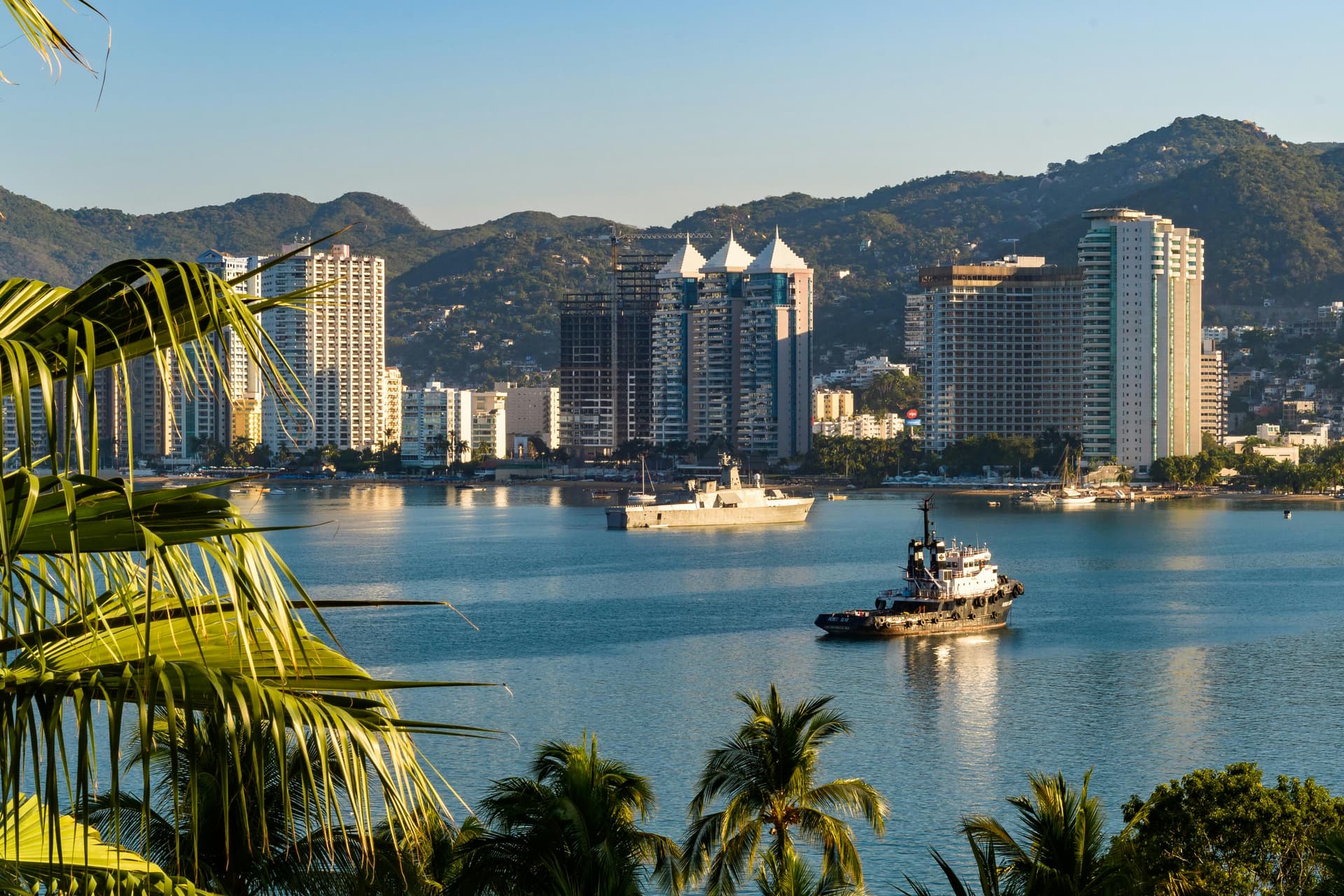
→ Bahía de Acapulco — The main bay. Beaches along the Costera Miguel Alemán, including Playa Condesa, Playa Icacos, and Playa Caleta/Caletilla.
→ Isla de la Roqueta—A small island accessible by boat from Caleta Beach. Snorkeling, hiking trails, and a small zoo.
→ Fuerte de San Diego — A star-shaped Spanish colonial fort from 1616, now housing the Acapulco Historical Museum.
→ Laguna de Coyuca—A large freshwater lagoon north of Acapulco with bird watching and boat tours through mangroves.
→ El Rollo — A water park near the beach with slides, wave pools, and a dolphin show.
📍 Where to eat
→ Costera Miguel Alemán (Zona Dorada) — The main strip along the bay with the highest concentration of restaurants, from street food to high-end dining.
→ Acapulco Tradicional (Caleta/Caletilla area) — The older, original part of Acapulco with more local and affordable food.
📍 Where to go out
→ Costera Miguel Alemán — The main nightlife strip. Baby'O (iconic since 1976), Palladium (cliffside views of the bay), Mandara, and Disco Beach. Acapulco's nightlife has scaled back from its golden-era heyday, but clubs still operate on weekends.
→ Carretera Escénica — The scenic hillside road between the bay and Punta Diamante, with cliffside clubs and bars with panoramic bay views.
📍 Where to find culture
→ Fuerte de San Diego — The colonial fort and museum.
→ La Quebrada — Beyond the diving show, it's a landmark of Acapulco's identity since the 1930s.
→ Capilla de la Paz — A hilltop chapel with panoramic views of the bay.
📍 Nearby destinations
→ Ixtapa-Zihuatanejo (3.5 hrs northwest), Taxco (4 hrs north)
IXTAPA-ZIHUATANEJO
📍 Where to find activities
→ Zihuatanejo Bay — A protected bay with calm water. Playa La Ropa (the main beach, good for swimming), Playa Las Gatas (reachable by boat, snorkeling over a reef), and Playa Principal (the fishermen's beach in the town center).
→ Ixtapa — The purpose-built resort strip next to Zihuatanejo with high-rise hotels along Playa El Palmar. A different vibe — more resort, less town.
→ Isla Ixtapa — A small island accessible by water taxi from Playa Linda. Snorkeling, beach restaurants, and trails.
→ Playa Linda — A long beach north of Ixtapa. Consistent waves for beginner and intermediate surfing.
→ Paseo del Pescador—A waterfront walkway in Zihuatanejo connecting Playa Principal to Playa Madera.
📍 Where to eat
→ Zihuatanejo centro — The town center around Paseo del Pescador and the streets behind it. Fresh seafood, casual restaurants, and a local market.
→ Playa La Ropa — Beachfront restaurants.
→ Ixtapa hotel zone — Resort dining along Playa El Palmar.
📍 Where to go out
→ Zihuatanejo has limited nightlife. A few bars and live music spots in the town center and along Paseo del Pescador.
→ Ixtapa has some clubs in the hotel zone area.
📍 Where to find culture
→ Zihuatanejo's fishing village character is the culture. The morning fish market at Playa Principal, the local market, and the walkway to the lighthouse (El Faro) from Playa Las Gatas.
📍 Nearby destinations
→ Troncones (30 min north), Playa La Saladita (45 min north), Barra de Potosí (20 min south), and Acapulco (3.5 hrs southeast)
TRONCONES
📍 Where to find activities
→ Surfing — Multiple breaks including beach breaks and the powerful left-hander at El Rancho. Good for intermediate to advanced surfers. Surf camps and board rentals available.
→ Playa Troncones—Miles of golden sand beach. Sea turtle nesting site.
→ Playa La Saladita — About 15 minutes north. Known as "the wave machine"—a long, consistent left point break famous among longboarders worldwide.
→ Fishing, hiking, and horseback riding along the coast.
📍 Where to eat
→ Beachfront restaurants and small eateries along the main road. Seafood is the focus.
📍 Where to go out
→ Troncones has no nightlife. It is a quiet surf and beach village.
📍 Where to find culture
→ The culture here is surf, nature, and a slow coastal pace. Turtle conservation during nesting season.
📍 Nearby destinations
→ Ixtapa-Zihuatanejo (30 min south), Playa La Saladita (15 min north)
📍 Nearby destinations (secondary)
Taxco
→ A colonial silver-mining town in the mountains about 4 hours north of Acapulco and 2.5 hours south of Mexico City. Known for its steep cobblestone streets, white buildings with red tile roofs, and hundreds of silver shops and workshops.
→ Templo de Santa Prisca — A baroque church on the main plaza, one of the most ornate in Mexico.
→ The town is built on a hillside and is entirely pedestrian in the center — narrow alleys, staircases, and plazas.
→ No beach, no nightlife. Taxco is a day trip or overnight cultural destination.
📍 Climate by season
Guerrero's coast has a hot tropical climate with a distinct wet and dry season.
Dry season (November–May) — Highs around 30–34°C (86–93°F). Lows around 20–24°C (68–75°F). Sunny and dry. The most comfortable months are November through February. March through May are the hottest.
Rainy season (June–October) — Highs around 30–33°C (86–91°F). Lows around 23–25°C (73–77°F). Hot, humid, and rainy. Afternoon and evening storms, sometimes heavy. Hurricane season runs June to November, with the highest risk from August to October. Hurricane Otis struck Acapulco as a Category 5 storm in October 2023.
Taxco (inland, 1,750m altitude) — Cooler than the coast. Highs around 22–28°C (72–82°F) year-round. Lows around 10–15°C (50–59°F). Rainy season June–September.
📍 Areas that may not be safe
Based on news reports and online sources, these are the areas that may not be safe:
Acapulco—Outlying colonias and hillside neighborhoods away from the Costera and Zona Dorada. Costera Miguel Alemán after midnight.
Chilpancingo (state capital)
Rural Guerrero — throughout the state outside of the main tourist corridors.
(Picture credit: Luis Merlos Vega)
Comments
0 commentsJoin the conversation and share your perspective.