Jalisco

OpenRoom put together a mini guide of things you might want to know before your trip to Jalisco! Nevertheless, don't forget to scroll down to the comments to see tips & tricks from travelers who've been there!
PUERTO VALLARTA
📍 Where to find activities
→ El Malecón — A 12-block boardwalk along the coast with sculptures, street performers, restaurants, and ocean views. The social spine of the city.
→ Zona Romántica (Old Town) — Cobblestone streets south of the Río Cuale. Galleries, shops, restaurants, beach access, and Los Muertos Beach with its iconic pier.
→ Los Arcos National Marine Park — Islands and reefs for snorkeling, diving, and boat tours. Caves, tunnels, and abundant marine life.
→ Islas Marietas — UNESCO-protected islands off the coast with the famous Hidden Beach (Playa del Amor), snorkeling, and bird watching. Access is limited by daily permits.
→ Playa las Ánimas / Yelapa — Secluded beaches south of the city, reachable only by boat. Waterfalls, swimming, and a slower pace.
→ Sierra Madre — Jungle zip-lining, ATV tours, waterfall hikes, and horseback riding in the mountains behind the city.
📍 Where to eat
→ Zona Romántica — The highest concentration of restaurants in the city. Everything from street tacos to upscale dining. The food scene here is considered one of the best on Mexico's Pacific coast.
→ El Centro (Downtown) — Local eateries and traditional food near the Malecón and the cathedral.
→ 5 de Diciembre / Versalles — Local foodie strips away from the main tourist areas.
📍 Where to go out
→ Zona Romántica (Olas Altas / Lázaro Cárdenas) — The main nightlife zone. LGBTQ+ nightlife capital of Mexico. Clubs, drag shows, rooftop bars, and live music.
→ El Malecón — Mandala, La Vaquita, and other clubs along the boardwalk. Louder, more mainstream.
→ Marina Vallarta — Quieter bars and restaurants around the yacht marina.
📍 Where to find culture
→ Church of Our Lady of Guadalupe — The iconic crown-topped church in the heart of downtown.
→ Isla Cuale — A small island in the middle of the Río Cuale, accessible by pedestrian bridge. Artisan market, galleries, and restaurants.
→ Zona Romántica — Galleries, street art, and a thriving arts scene.
→ Vallarta Botanical Gardens — Tropical gardens south of the city.
📍 Nearby destinations
→ Sayulita (45 min), San Pancho (50 min), Punta de Mita (45 min), Tequila (4 hrs), Guadalajara (5 hrs)
GUADALAJARA
📍 Where to find activities
→ Centro Histórico — The Cathedral, Plaza de Armas, Palacio de Gobierno (with Orozco murals), Teatro Degollado, and the Instituto Cultural Cabañas (UNESCO World Heritage Site with Orozco's massive ceiling murals).
→ Mercado San Juan de Dios (Mercado Libertad) — The largest indoor market in Latin America. Three floors of food, clothes, crafts, electronics, and everything in between.
→ Tlaquepaque — A neighboring town famous for artisan crafts, blown glass, pottery, galleries, and colorful pedestrian streets.
→ Guachimontones — Circular step pyramids from a pre-Hispanic civilization, about an hour outside the city. A unique archaeological site unlike anything else in Mexico.
→ Via RecreActiva — Every Sunday, major avenues close to cars and open up for bikes, runners, and skaters. Over 60 km of car-free streets.
📍 Where to eat
→ Chapultepec / Colonia Americana — The trendy food and drink zone. Craft beer, mezcal bars, international restaurants, and the best dining in the city.
→ Centro Histórico — Traditional birria, tortas ahogadas, and local markets.
→ Tlaquepaque — Restaurants around the pedestrian streets with traditional Jalisco cuisine.
📍 Where to go out
→ Avenida Chapultepec — The main nightlife strip. Bars, clubs, craft beer spots, mezcalerías, and outdoor terraces for blocks. The go-to area for locals and visitors.
→ Colonia Americana — Speakeasies, cocktail bars, and a more relaxed alternative to Chapultepec.
→ Centro Histórico — Traditional cantinas and mid-size clubs with live music. Plaza de los Mariachis for live mariachi at night.
📍 Where to find culture
→ Instituto Cultural Cabañas — UNESCO World Heritage Site with José Clemente Orozco's murals, considered some of the most important in Mexico.
→ MUSA (Museo de las Artes, Universidad de Guadalajara) — Art museum near Chapultepec.
→ MAZ (Museo de Arte de Zapopan) — Contemporary art museum in the neighboring municipality of Zapopan.
→ Basilica de Zapopan — One of the most important religious sites in Mexico.
📍 Nearby destinations
→ Tequila (1.5 hrs), Tlaquepaque (20 min), Lake Chapala / Ajijic (45 min), Guachimontones (1 hr)
SAYULITA
📍 Where to find activities
→ Main Beach — Crescent-shaped beach with consistent, gentle waves. One of Mexico's most popular spots for learning to surf. Surf schools and board rentals everywhere.
→ Playa de los Muertos — A calmer beach south of the main beach, accessed by a short hike through a small cemetery and jungle path.
→ Playa Carricitos — A hidden beach reached by a 20-minute jungle hike from town. A good spot for sunset since the main beach faces north.
→ Islas Marietas — Boat tours departing from nearby Punta de Mita to the protected islands and Hidden Beach.
→ Whale watching — Humpback whales visit Bahía de Banderas from December to April.
→ Town center — Cobblestone streets, the Sayulita sign, colorful papel picado flags, surf shops, boutiques, and a weekend artisan market.
📍 Where to eat
→ Town center — Taquerías, seafood, smoothie bowls, and international options scattered throughout the sandy streets. Everything is walkable.
📍 Where to go out
→ Town center — Surf-town nightlife. Don Pato (live music and dancing until 3 AM), Yambak (craft brewery, 2-for-1 Tuesdays), The Garden (salsa on Wednesdays), and Escondido Bar (craft cocktails). Bonfires on the beach on weekends.
📍 Where to find culture
→ The culture here is the surf lifestyle itself. Street art, artisan markets, yoga studios, and a bohemian-creative community.
📍 Nearby destinations
→ San Pancho (10 min), Punta de Mita (30 min), Puerto Vallarta (45 min)
TEQUILA
📍 Where to find activities
→ Tequila distillery tours — The town's main attraction. Fábrica La Rojeña (Jose Cuervo, the oldest distillery in Latin America, operating since 1812), Casa Sauza, and Fortaleza (smaller, artisanal, highly regarded). Most offer tours with tastings.
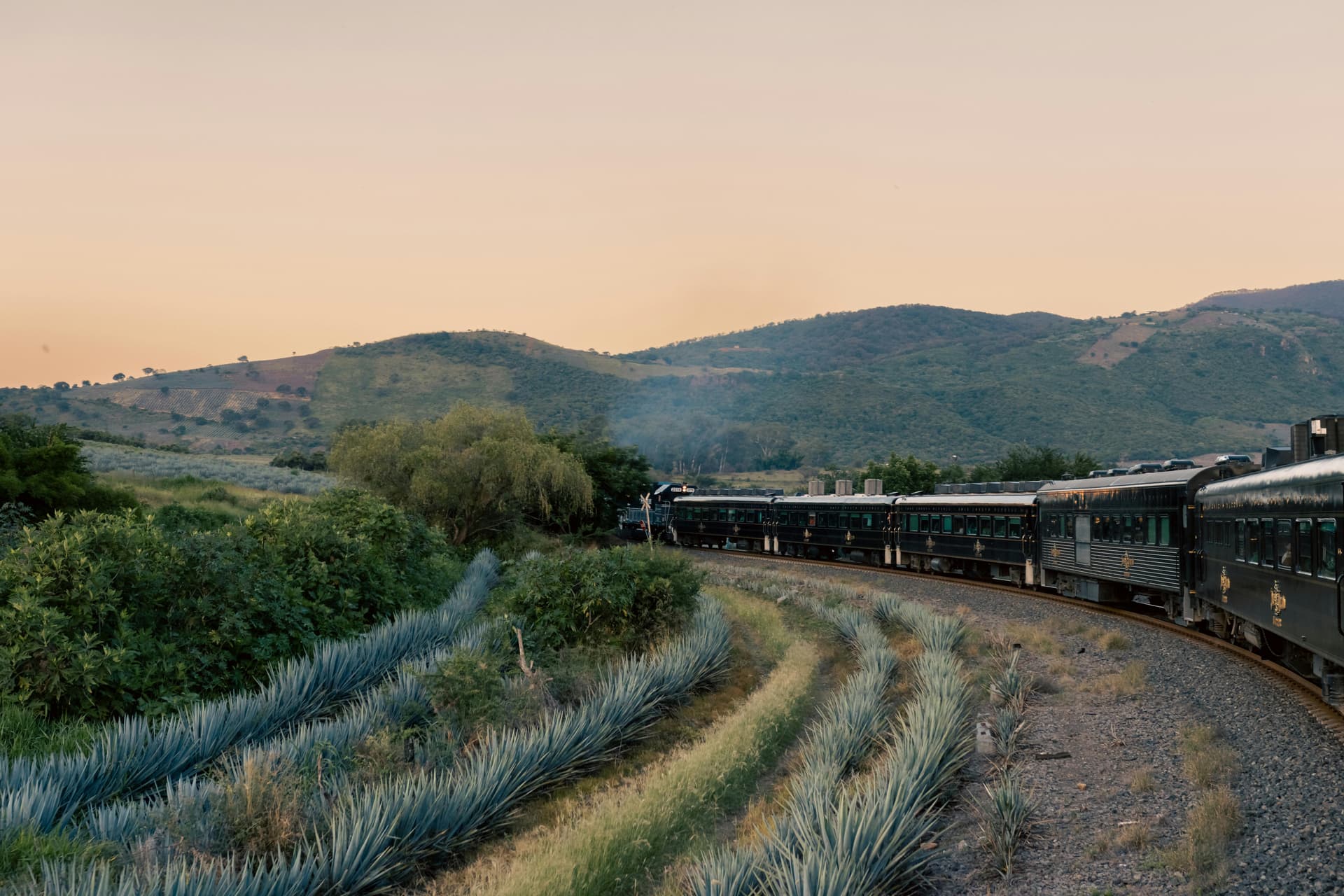
→ Agave fields — Rolling blue agave landscapes surrounding the town. Part of the UNESCO-designated Agave Landscape and Ancient Industrial Facilities of Tequila.
→ Town center — The main plaza, the parish church, cobblestone streets, and novelty tour buses that drive visitors around town. Cantina La Capilla, one of the oldest cantinas in Mexico, is where the Batanga cocktail was invented.
→ Museo Nacional del Tequila (MUNAT) — Museum dedicated to the history of tequila production.
→ Jose Cuervo Express — A train that runs from Guadalajara to Tequila with tequila tastings, live music, and views of the agave fields along the way.
📍 Where to eat
→ Town center — Restaurants around the main plaza and along the streets near the distilleries. Traditional Jalisco food.
📍 Where to go out
→ Tequila is not a nightlife destination. The experience is about daytime distillery tours and tasting. Most visitors are day-tripping from Guadalajara.
📍 Where to find culture
→ The entire town is the cultural experience—the UNESCO agave landscape, the distilleries, the history of tequila production, and the pueblo mágico architecture.
→ Centro Cultural Juan Beckmann Gallardo — One of the finest cultural museums in the region, housed in a historic building.
📍 Nearby destinations
→ Guadalajara (1.5 hrs), Amatitán (20 min — another tequila-producing town on the Ruta del Tequila)
📍 Climate by season
Jalisco has two very different climates depending on whether you're on the coast (Puerto Vallarta, Sayulita) or inland (Guadalajara, Tequila):
Coast (Puerto Vallarta / Sayulita):
Dry season (November–May) — Highs around 27–32°C (80–90°F). Lows around 16–22°C (61–72°F). Sunny, warm, and dry. March and April have virtually zero rain. December through February can have occasional cool evenings. The ocean is warm year-round (24–30°C / 75–86°F).
Rainy season (June–October) — Highs around 30–33°C (86–91°F). Lows around 23–25°C (73–77°F). Hot, humid, and rainy. Heavy afternoon storms, especially July through September. Hurricane season runs June to November, with the highest risk from August to October.
Inland (Guadalajara / Tequila):
Dry season (November–May) — Highs around 25–33°C (77–91°F). Lows around 6–14°C (43–57°F). Large temperature swings between day and night. March through May can be very hot during the day (up to 35°C / 95°F) but still cool at night. December and January nights can drop near freezing.
Rainy season (June–October) — Highs around 27–30°C (80–86°F). Lows around 15–17°C (59–63°F). Afternoon thunderstorms almost daily, especially July and August. Temperatures are more moderate than the dry spring months.
📍 Areas that may not be safe
Based on news reports and online sources, these are the areas that may not be safe:
Guadalajara — Certain outlying neighborhoods and suburbs. The tourist areas (Centro Histórico, Chapultepec, Colonia Americana, Tlaquepaque, Zapopan centro) are generally considered safe. In February 2026, cartel-related unrest affected parts of Jalisco state, including brief disruptions at the Guadalajara airport, though the situation returned to normal.
📍 Nearby destinations (secondary)
→ Tapalpa — Mountain pueblo mágico about 2.5 hours south of Guadalajara. Pine forests, cabins, cool weather, and weekend escape for local families.
→ Ajijic — Small town on the shores of Lake Chapala, about 45 minutes from Guadalajara. Large North American expat and retiree community. Art galleries, restaurants, and lakefront walks.
(Picture credit: Roger Ce)
Comments
0 commentsJoin the conversation and share your perspective.