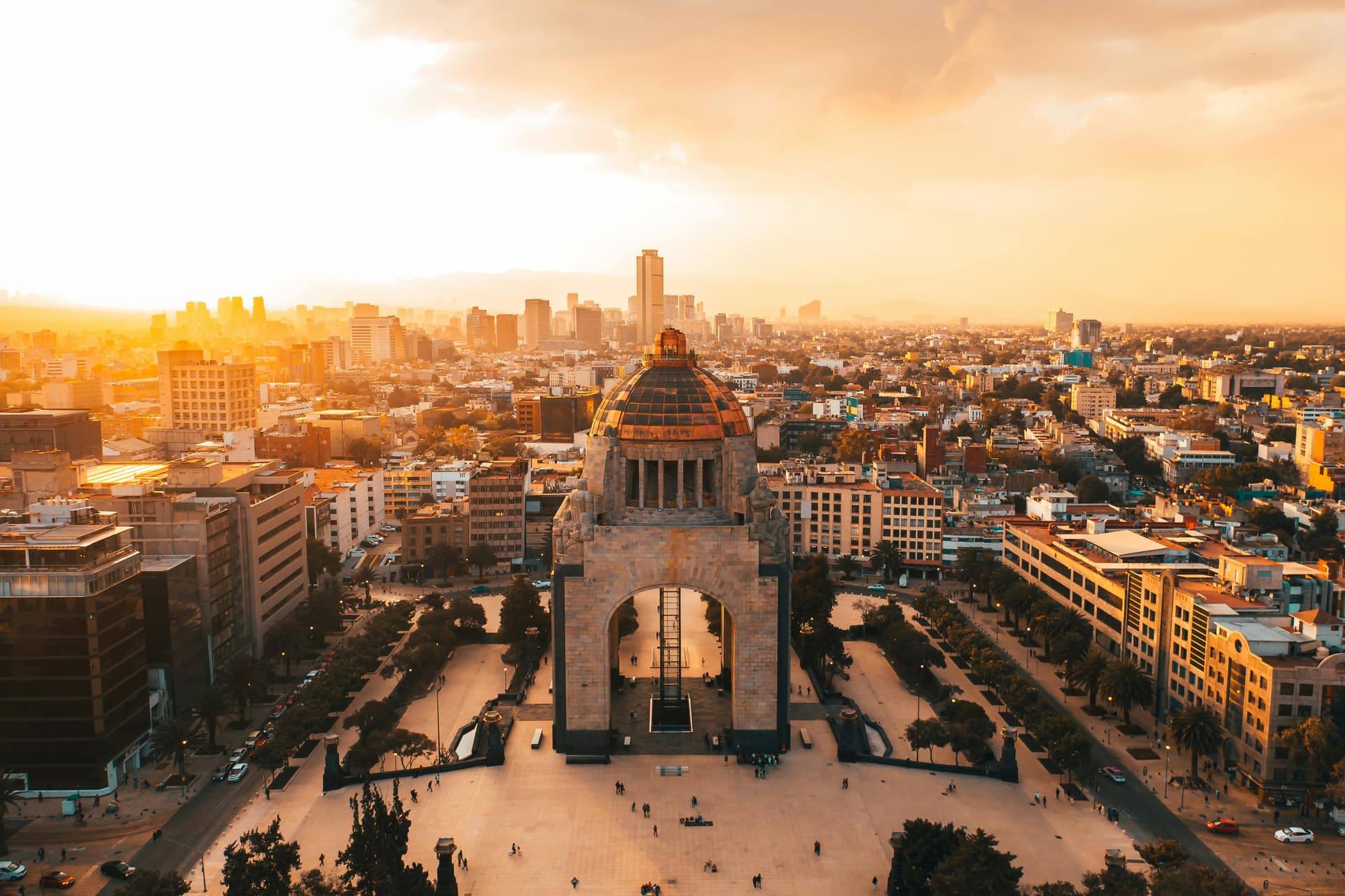
Mexico City
OpenRoom put together a mini guide of things you might want to know before your trip to Mexico City! Nevertheless, don't forget to scroll down to the comments to see tips & tricks from travelers who've been there!
📍 Where to find activities
→ Centro Histórico — The Zócalo, Metropolitan Cathedral, Palacio de Bellas Artes, Templo Mayor ruins, and Palacio Nacional are all within walking distance of each other. This is the historic core of the city and where most first-time visitors start.
→ Chapultepec — One of the largest urban parks in the world. Home to Chapultepec Castle, the National Museum of Anthropology, lakes, gardens, and walking trails.
→ Paseo de la Reforma — The main boulevard of the city. Walk it to see the Ángel de la Independencia, the Diana Fountain, and Museo Soumaya. In April the jacaranda trees bloom purple along the entire avenue.
→ Coyoacán — A neighborhood that feels like a village inside the city. Cobblestone streets, the Frida Kahlo Museum (Casa Azul), Jardín Centenario, and the Coyoacán Market.
→ San Ángel — The Museo Casa Estudio Diego Rivera y Frida Kahlo, and the Bazar Sábado (Saturday Bazaar) for folk art, crafts, and handmade goods.
→ Xochimilco — The floating gardens. Ride a trajinera (colorful gondola) through ancient Aztec canals. Best on weekends around noon when food vendors, mariachi boats, and flower sellers pull up alongside your boat.
📍 Where to eat
→ Roma Norte / Condesa — The highest concentration of restaurants and cafés in the city. Everything from street tacos to world-class dining. These two neighborhoods are the food capital of CDMX.
→ Polanco — The upscale dining zone. Higher price point, international options, and some of the most celebrated restaurants in Latin America.
→ Centro Histórico — Street food, traditional markets, and old-school cantinas.
→ Coyoacán — Casual, affordable, and local. The market and the streets around Jardín Centenario are full of tostadas, churros, and traditional Mexican food.
📍 Where to go out
→ Roma Norte — The main nightlife zone. Bars, clubs, live music, and mezcalerías, all within walking distance.
→ Juárez / Zona Rosa — Known for speakeasies and cocktail bars. Some of the best bars in the world are hidden in this neighborhood.
→ Condesa — Calmer than Roma. Rooftop bars, wine spots, and lounges. A good place to start the evening before heading somewhere louder.
→ Polanco — Upscale clubs and high-end lounges. Expect higher prices than anywhere else in the city.
📍 Where to find culture
→ Coyoacán — Frida Kahlo Museum (Casa Azul), León Trotsky Museum, and the UNAM campus (a UNESCO World Heritage Site with murals by Juan O'Gorman).
→ San Ángel — Museo Casa Estudio Diego Rivera y Frida Kahlo. The Bazar Sábado for folk art and crafts.
→ Centro Histórico — Diego Rivera murals inside Palacio Nacional, Museo del Templo Mayor, Palacio de Bellas Artes, and the Biblioteca Vasconcelos.
→ Roma / Juárez — Street art, independent galleries, vinyl shops, bookstores, and a growing art scene. Mexico City Art Week happens every February.
→ Polanco — Museo Soumaya (free entry, massive art collection) and Museo Jumex (contemporary art).
📍 Climate by season
Dry season (November–April) — Highs around 19–25°C (66–77°F). Lows around 5–8°C (41–46°F). Very little rain. Sunny afternoons, cold mornings, and evenings. March and April are the warmest and sunniest months.
Rainy season (May–October) — Highs around 21–25°C (70–77°F). Lows around 12–14°C (54–57°F). Rain almost every afternoon, sometimes heavy. July is the wettest month. Mornings are usually clear.
Year-round—The city sits at 2,240 m altitude. Temperature swings between morning and afternoon can be significant. UV is stronger than it feels because of the elevation.
📍 Areas that may not be safe
Based on news reports and online sources, these areas may not be safe:
Tepito
Doctores
Iztapalapa
Ciudad Neza
Centro Histórico (side streets at night, away from the main plazas)
(Picture credit: Mikhail Nilov)
Comments
0 commentsJoin the conversation and share your perspective.