Michoacán
OpenRoom put together a mini guide of things you might want to know before your trip to Michoacán! Nevertheless, don't forget to scroll down to the comments to see tips & tricks from travelers who've been there!
MORELIA
📍 Where to find activities
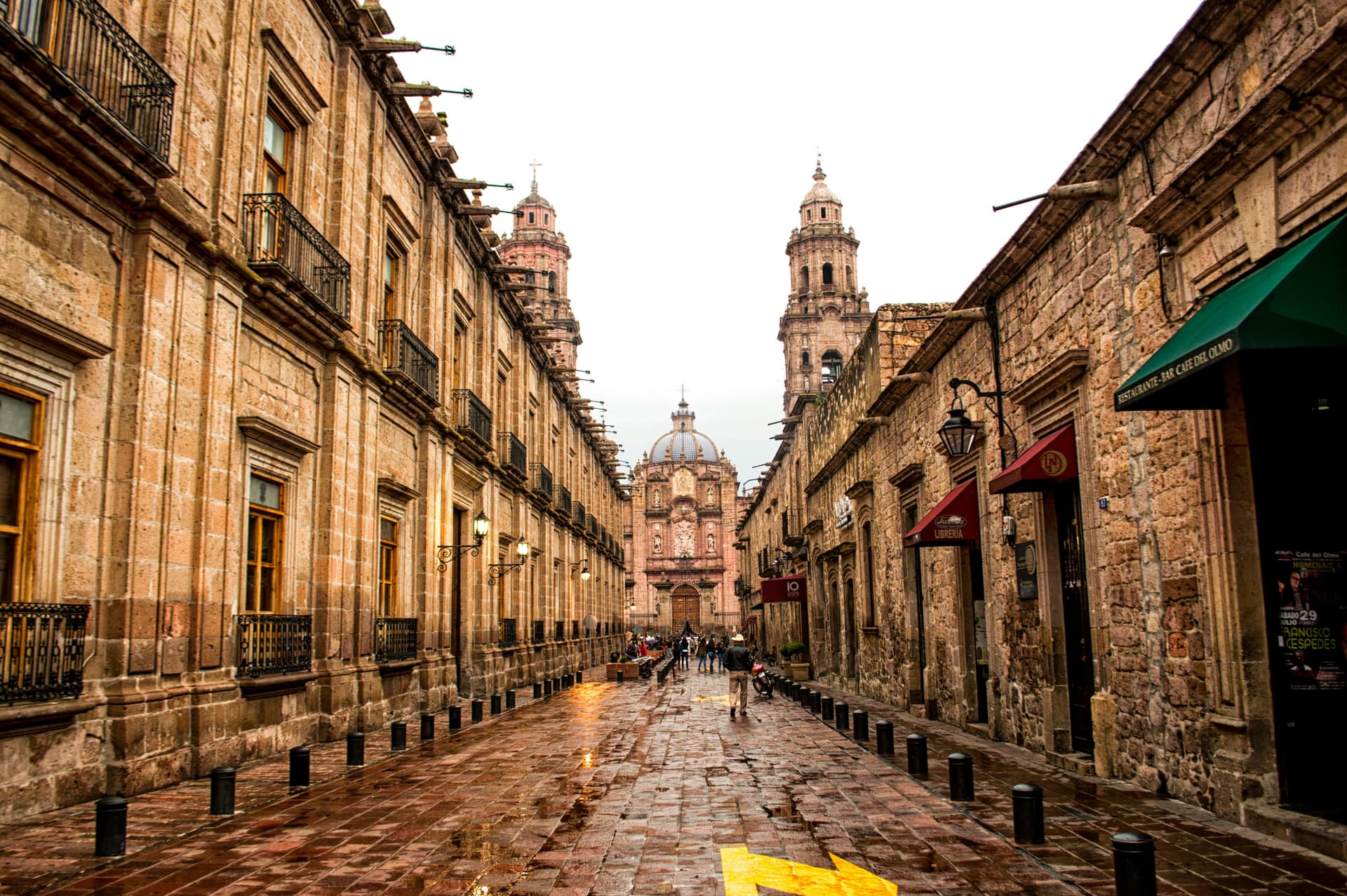
→ Centro Histórico — Colonial streets built entirely of pink quarry stone (cantera rosa), giving the city its distinctive color. The entire historic center is walkable.
→ Catedral de Morelia — A baroque cathedral built between 1660 and 1744 with two towers over 70 meters tall. One of the most striking cathedrals in Mexico. On Saturday nights at 8:45 PM there is a light, sound, and fireworks show projected on the facade.
→ Acueducto de Morelia—An 18th-century stone aqueduct with 253 arches stretching over 1 km. Illuminated at night.
→ Fuente de las Tarascas — A fountain depicting three Purépecha (Tarascan) women holding a basket of fruit. An emblematic symbol of the city.
→ Callejón del Romance — A narrow alley decorated with poetry plaques on the walls.
→ Jardín de las Rosas — A quiet plaza next to the Conservatorio de las Rosas (music conservatory, founded 1743). Classical music events throughout the year.
→ Monarch butterfly reserves — From November to March, millions of monarch butterflies migrate to the forests of Michoacán. The main sanctuaries are about 2 hours east of Morelia (El Rosario and Sierra Chincua).
→ Morelia International Film Festival (FICM) — One of the most important film festivals in Latin America, held annually in late October/November.
📍 Where to eat
→ Centro Histórico — Around the Plaza de Armas and surrounding streets. Traditional Michoacán cuisine: corundas (triangular tamales), uchepos (sweet corn tamales), carnitas, and an enormous variety of regional dishes.
→ Museo del Dulce — A candy museum and shop showcasing Morelia's famous traditional sweets (ates, obleas, morelianas).
📍 Where to go out
→ Morelia has a modest nightlife. Bars, cantinas, and live music spots around the centro. The Saturday night cathedral light show is the main evening attraction.
→ The city has a university presence (Universidad Michoacana de San Nicolás de Hidalgo, one of the oldest in the Americas), which gives it some student energy.
📍 Where to find culture
→ Palacio de Gobierno — Government palace with large murals by Michoacán artist Alfredo Zalce depicting the state's history.
→ Centro Cultural Clavijero — A massive former Jesuit school complex (1660) now hosting contemporary art exhibitions.
→ Museo Regional Michoacano — Pre-Hispanic artifacts in an 18th-century baroque palace.
→ Conservatorio de las Rosas — Historic music conservatory with classical performances.
→ Día de Muertos (November 1–2) — Michoacán is considered one of the most important states for Day of the Dead celebrations in Mexico.
📍 Nearby destinations
→ Pátzcuaro (1 hr), Monarch butterfly sanctuaries (2 hrs), Uruapan (2 hrs)
PÁTZCUARO
📍 Where to find activities
→ Plaza Vasco de Quiroga — The main plaza, one of the largest in Mexico. Surrounded by colonial buildings, restaurants, and shops. Named after the Spanish bishop who championed indigenous rights in the 16th century.
→ Lago de Pátzcuaro — A lake surrounded by Purépecha indigenous communities. Boat rides to Isla de Janitzio, a steep island with a 40-meter statue of José María Morelos at the top and over 300 steps to climb. Fishermen on the lake still use traditional butterfly-shaped fishing nets.
→ Mercado de Artesanías — Purépecha handicrafts including lacquerware, pottery, textiles, and carved wooden masks.
→ Basilica de Nuestra Señora de la Salud — A 16th-century church built on a pre-Hispanic site, with a Virgin made of a corn-based paste (caña de maíz), a technique unique to Michoacán.
📍 Where to eat
→ Around Plaza Vasco de Quiroga — Traditional Purépecha and Michoacán food. Corundas, uchepos, sopa tarasca, and fresh lake fish.
📍 Where to go out
→ Pátzcuaro has no nightlife. It is a quiet colonial town and indigenous cultural destination.
📍 Where to find culture
→ Purépecha communities around the lake — Traditional villages with distinct crafts, music, and customs. Each community specializes in a different artisan tradition.
→ Día de Muertos on Isla de Janitzio — One of the most iconic Day of the Dead celebrations in Mexico. Families hold vigils in the cemetery through the night of November 1–2, decorating graves with marigolds and candles.
→ Museo de Artes e Industrias Populares — A museum of folk art in a former Jesuit college.
📍 Nearby destinations
→ Morelia (1 hr), Tzintzuntzan (15 min — pre-Hispanic Purépecha capital with yácatas/pyramids), Santa Clara del Cobre (30 min — a town specializing in copper craftsmanship)
📍 Climate by season
Michoacán's highland cities (Morelia at 1,920m, Pátzcuaro at 2,140m) have a temperate climate.
Dry season (October–May) — Highs around 22–28°C (72–82°F). Lows around 5–12°C (41–54°F). Cold mornings, especially November–February. Sunny and dry.
Rainy season (June–September) — Highs around 22–25°C (72–77°F). Lows around 10–14°C (50–57°F). Afternoon and evening rains.
Monarch butterfly season — November to March. Peak viewing is usually January and February.
📍 Areas that may not be safe
Based on news reports and online sources, these are the areas that may not be safe:
Areas outside of Morelia and Pátzcuaro, particularly rural municipalities in western and coastal Michoacán (Tierra Caliente region, Apatzingán, Lázaro Cárdenas).
Highways in Michoacán, particularly at night and on routes toward Guerrero and Jalisco.
(Picture credit: Genaro Servín)
Comments
0 commentsJoin the conversation and share your perspective.