Nuevo León

OpenRoom put together a mini guide of things you might want to know before your trip to Nuevo León! Nevertheless, don't forget to scroll down to the comments to see tips & tricks from travelers who've been there!
MONTERREY
📍 Where to find activities
→ Macroplaza — One of the largest public plazas in the world, in the center of the city. Flanked by the Metropolitan Cathedral, the Palacio de Gobierno, the Faro de Comercio (a towering orange-red laser beacon), and MARCO (Museum of Contemporary Art). Gardens, fountains, and the Neptune Fountain.
→ Barrio Antiguo — Monterrey's historic quarter and nightlife district. Colonial buildings converted into bars, mezcalerías, galleries, cafés, and live music venues. Calle Morelos is the main artery. By day: antique shops, Mercado Juárez, and quiet cafés. By night: one of the most energetic bar scenes in northern Mexico.
→ Parque Fundidora—A 140-hectare urban park built on the site of a former steel mill (Fundidora de Monterrey, 1900–1986). The original blast furnaces are preserved as monuments. Museo del Acero Horno 3 (interactive steel museum with a cable car ride through a dormant blast furnace), concert venues, bike paths, and lakes.
→ Paseo Santa Lucía — A 2.5 km artificial riverwalk connecting the Macroplaza to Parque Fundidora. Boat rides, sculpture installations, pedestrian bridges, and restaurants along the canal.
→ Chipinque Ecological Park—A mountain park at 1,700 m altitude, just 15 km from downtown. Hiking trails, running paths, and forest with views of the city and the Sierra Madre Oriental.
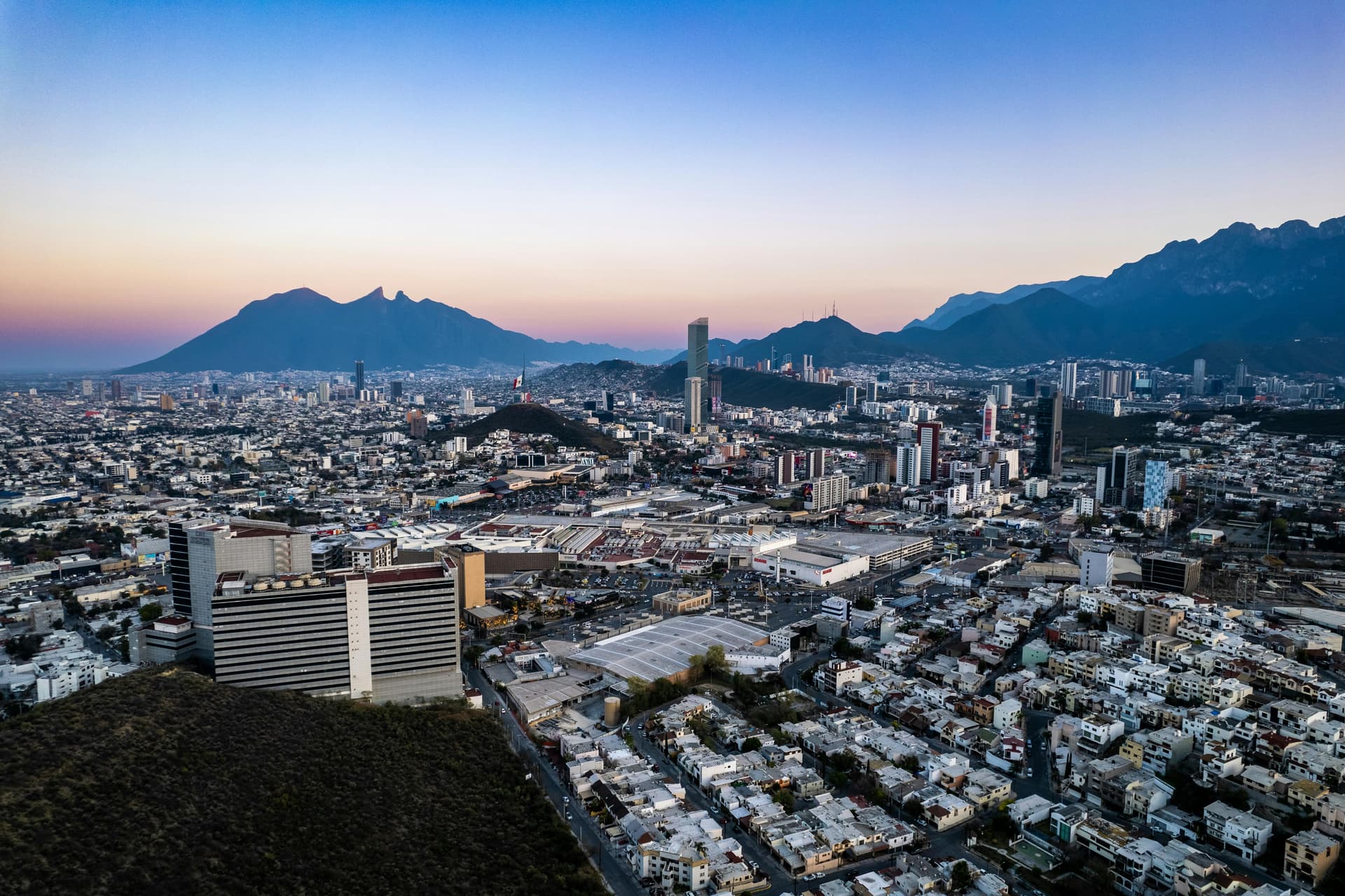
→ Cerro de la Silla — Monterrey's iconic mountain silhouette visible from across the city. Hiking routes to the top for panoramic views.
→ Grutas de García — A 50-million-year-old cave system about 40 minutes from the city. A cable car takes you 700m up the mountain to the entrance. 16 chambers with rock formations and marine fossils.
→ Cola de Caballo (Horsetail Falls) — A 25-meter waterfall about 45 minutes south of the city, near the pueblo mágico of Santiago.
→ Pa'l Norte — One of Mexico's largest music festivals, held annually in Parque Fundidora. National and international artists across multiple stages.
📍 Where to eat
→ Cabrito (roasted young goat) — Monterrey's signature dish. Whole goat roasted over mesquite coals, served with tortillas, salsas, and grilled onions.
→ Carne asada — A cultural institution in Monterrey. Sunday asadas (barbecues) are a family and neighborhood tradition.
→ Barrio Antiguo and Centro — Restaurants ranging from traditional northern Mexican food to contemporary gastronomy. A growing craft beer and mezcal scene.
→ San Pedro Garza García — The affluent municipality adjacent to Monterrey with upscale restaurants and dining options.
📍 Where to go out
→ Barrio Antiguo — The main nightlife zone. Bars, cantinas, mezcalerías, live norteño and rock music, craft beer spots, and clubs. Friday and Saturday nights the neighborhood fills up. The scene is local and energetic.
→ San Pedro Garza García — More upscale bars and lounges.
📍 Where to find culture
→ MARCO (Museo de Arte Contemporáneo) — Monterrey's premier contemporary art museum on the Macroplaza.
→ Museo de Historia Mexicana — Three floors of Mexican history from pre-Hispanic to modern, on the Macroplaza.
→ Museo del Acero Horno 3 — Interactive industrial heritage museum inside Parque Fundidora.
→ Monterrey is Mexico's third-largest city and the industrial/business capital of the country. The cultural scene reflects its northern identity—norteño music, cabrito, carne asada, craft beer, and a distinct pride in being regio (from Monterrey).
📍 Nearby destinations
→ Santiago (pueblo mágico, 45 min), Cola de Caballo (45 min), Grutas de García (40 min), Chipinque (15 min)
📍 Climate by season
Monterrey sits in a mountain basin at about 540 m altitude with an extreme semi-arid climate—hot summers and mild winters.
Winter (November–February) — Highs around 18–22°C (64–72°F). Lows around 6–10°C (43–50°F). Occasional cold fronts can drop temperatures sharply. Dry and pleasant.
Spring (March–May)—Highs around 26–35°C (79–95°F). Warming rapidly. April and May can be very hot.
Summer (June–September) — Highs around 33–38°C (91–100°F). Extremely hot. The mountain basin traps heat. Occasional hurricanes and heavy rains from the Gulf of Mexico.
Fall (October–November)—Highs around 24–30°C (75–86°F). The most pleasant months are along with February–March.
📍 Areas that may not be safe
Based on news reports and online sources, these are the areas that may not be safe:
Outlying colonias and industrial suburbs on the periphery of the metro area, particularly toward Apodaca and areas east and south of the city.
(Picture credit: Gino González)
Comments
0 commentsJoin the conversation and share your perspective.