Oaxaca

OpenRoom put together a mini guide of things you might want to know before your trip to Oaxaca! Nevertheless, don't forget to scroll down to the comments to see tips & tricks from travelers who've been there!
OAXACA CITY
📍 Where to find activities
→ Centro Histórico — The Zócalo (main plaza), the Cathedral, and the pedestrian street Macedonio Alcalá lined with galleries, shops, and restaurants leading up to the Santo Domingo church complex.
→ Santo Domingo de Guzmán — One of the most ornate baroque churches in Mexico. The adjacent Museo de las Culturas de Oaxaca houses artifacts from Monte Albán, including Mixtec gold and jade jewelry.
→ Monte Albán — Ancient Zapotec capital on a flattened mountaintop overlooking the valley. One of the most important archaeological sites in Mexico, dating back to 500 BC.
→ Hierve el Agua — Petrified waterfalls and natural infinity pools in the mountains, about 1.5 hours from the city.
→ Mercado 20 de Noviembre — The main food market. The meat aisle, hot chocolate stands, and tlayuda vendors.
→ Mercado Benito Juárez — Adjacent to 20 de Noviembre. Crafts, souvenirs, mole powder, coffee, and chapulines (grasshoppers).
→ Mitla — Zapotec-Mixtec archaeological site known for its intricate geometric stone mosaics. About 45 minutes from the city.
→ El Tule — A 2,000-year-old Montezuma cypress tree with the widest trunk in the world. On the road to Mitla.
📍 Where to eat
→ Centro Histórico — Mercado 20 de Noviembre for traditional food, and the streets around Macedonio Alcalá and the Zócalo for restaurants ranging from casual to world-class. Oaxaca is considered the culinary capital of Mexico — seven varieties of mole, tlayudas, tasajo, chapulines, hot chocolate, and mezcal.
→ Jalatlaco — A colorful neighborhood on the edge of Centro with cafés, mezcalerías, and a growing restaurant scene.
📍 Where to go out
→ Centro Histórico (Calle Murguía / Calle 5 de Mayo) — Mezcal is the nightlife. Mezcalerías everywhere. The scene is intimate, smoky, and conversational rather than a club scene.
→ Jalatlaco — Mezcal bars, live music, and a bohemian atmosphere in one of Oaxaca's trendiest neighborhoods.
📍 Where to find culture
→ Santo Domingo complex — The church, the museum, and the Jardín Etnobotánico (botanical garden with 900+ native plant species).
→ Jalatlaco — Pastel-colored houses, street art, galleries, and independent bookshops.
→ Xochimilco — Traditional barrio north of Centro with murals, quiet streets, and family-run restaurants.
→ Teotitlán del Valle — Village about 30 minutes from the city, famous for handwoven wool rugs and textiles using natural dyes. Ancestral Zapotec weaving tradition.
→ Guelaguetza Festival — Oaxaca's biggest cultural celebration, held every July. Folkloric dances, parades, mezcal fairs, food festivals, and music from all eight regions of the state.
→ Day of the Dead — Oaxaca is considered the epicenter of Mexico's Día de Muertos celebrations in late October / early November.
📍 Nearby destinations
→ Monte Albán (30 min), Hierve el Agua (1.5 hrs), Mitla (45 min), El Tule (30 min), Teotitlán del Valle (30 min), Puerto Escondido (3.5 hrs via new highway)
PUERTO ESCONDIDO
📍 Where to find activities
→ Playa Zicatela — One of the most famous surf beaches in the world. Known as the "Mexican Pipeline" for its massive, powerful waves. International surf competitions are held here.
→ La Punta — The bohemian neighborhood at the southern end of Zicatela. Mellower surf break for intermediate surfers, sandy streets, boutique shops, cafés, and sunset views from the rocky point at the end of the beach.
→ Playa Carrizalillo—A sheltered cove beach accessed by stairs down a cliff. Calmer water, good for swimming and snorkeling.
→ Playa Puerto Angelito / Playa Manzanillo — Small protected coves between Carrizalillo and Centro. Calm water, snorkeling, and local seafood.
→ Bioluminescent lagoon (Laguna de Manialtepec) — Night boat tours to see glowing plankton in the water.
→ Turtle release — During nesting season, baby sea turtles are released into the ocean at sunset from various beaches.
📍 Where to eat
→ La Punta — International restaurants, vegan spots, smoothie bowls, and beachfront seafood.
→ Zicatela — Beach bars and restaurants along the strip.
→ Centro / Adoquín—The original tourist pedestrian street with cheaper restaurants and local food. Mercado Benito Juárez for groceries and local meals.
→ Rinconada — A strip of popular restaurants in a residential area between Zicatela and Centro.
📍 Where to go out
→ Zicatela — The main nightlife zone. Beach bars, clubs, and live music. The party runs late here.
→ La Punta — More bohemian and low-key. Bonfire parties, DJ sets, mezcal under the stars. Bars close earlier than Zicatela; the crowd often migrates to Zicatela after midnight.
→ Centro / Adoquín — Cheaper bars and a louder, more local scene.
📍 Where to find culture
→ The culture here is surf, coast, and Oaxacan cuisine rather than museums and ruins. Boat tours, fishing villages, and the turtle conservation efforts along the coast.
📍 Nearby destinations
→ Mazunte / San Agustinillo / Zipolite (1–1.5 hrs), Huatulco (2 hrs), Oaxaca City (3.5 hrs via new highway), Laguna de Chacahua (1.5 hrs)
HUATULCO
📍 Where to find activities
→ The Bays — Huatulco has nine bays with protected beaches, clear water, and coral reefs. Boat tours visit multiple bays in a single trip. Santa Cruz Bay is the main one with a marina and restaurants. Tangolunda Bay has the resort strip.
→ Snorkeling and diving — The bays are part of a national marine park with protected reefs and marine life.
→ La Crucecita — The actual town behind the resort bays. Main plaza, local market, and affordable restaurants.
📍 Where to eat
→ La Crucecita — The town center has the most variety and the best prices. Seafood, Oaxacan food, and casual dining.
→ Santa Cruz waterfront—Restaurants along the marina.
→ Tangolunda — Resort dining, higher prices.
📍 Where to go out
→ La Crucecita (main plaza) — Small-town nightlife. Bars around the plaza with live music. This is not a party destination compared to Puerto Escondido or Cancún.
📍 Where to find culture
→ Huatulco National Park — Protected national park with untouched forest, coral reefs, mangroves, and virgin beaches.
→ La Crucecita — The parish church has a large mural of the Virgin of Guadalupe on its ceiling.
📍 Nearby destinations
→ Mazunte / San Agustinillo / Zipolite (1.5 hrs), Puerto Escondido (2 hrs)
MAZUNTE / SAN AGUSTINILLO / ZIPOLITE
📍 Where to find activities
→ Punta Cometa — A clifftop viewpoint and the southernmost point of Oaxaca. One of the best sunset spots on the coast. Short hike from Mazunte.
→ Centro Mexicano de la Tortuga — Sea turtle conservation center and museum in Mazunte.
→ Playa Mazunte — The main beach. Beautiful but with strong waves and currents — not always safe for swimming.
→ Playa San Agustinillo — A calmer beach between Mazunte and Zipolite. Better for swimming, especially at the eastern end.
→ Playa Zipolite — Mexico's only legal nude beach. Bohemian, counterculture atmosphere. Beach bars, hammocks, and mezcal. Strong waves and currents.
→ Playa Estacahuite — A small cove near Puerto Ángel with turquoise water and good snorkeling over a coral reef.
→ Boat tours — See sea turtles, dolphins, and (in season, November–March) whales from the water.
→ Yoga — Mazunte has a large yoga and wellness scene. Studios and retreats throughout the town.
📍 Where to eat
→ Mazunte — Restaurants along the main road and Calle Rinconcito, the busiest street. International food, vegan options, and Oaxacan coastal cuisine.
→ San Agustinillo — A handful of restaurants on the main road with a quieter, more local feel.
→ Zipolite — Beach restaurants and casual eateries along the sand. The most affordable of the three.
📍 Where to go out
→ Mazunte — Bohemian beach bar scene. Bonfire nights, acoustic music, mezcal. No clubs.
→ Zipolite — Slightly more nightlife than Mazunte. Beach bars, DJ sets, fire spinning, and full moon parties. Underground rave culture in a tiny town.
→ San Agustinillo — Very quiet at night. If you want nightlife, walk to Mazunte (15 min) or take a colectivo to Zipolite (10 min).
📍 Where to find culture
→ The culture here is the barefoot-in-the-sand lifestyle. Turtle conservation, yoga, street art, and a community that moves at the pace of the ocean.
📍 Nearby destinations
→ Puerto Escondido (1–1.5 hrs), Huatulco (1.5 hrs), Puerto Ángel (10 min from Zipolite)
📍 Climate by season
Oaxaca has two very different climates depending on whether you're in the city (inland, 1,550m altitude) or on the coast (sea level):
Oaxaca City (inland):
Dry season (November–April)—Highs around 24–29°C (75–84°F). Lows around 8–13°C (46–55°F). Sunny, dry, and very pleasant. Large temperature swings between day and night. January nights can be cold. March through May are the warmest months.
Rainy season (May–October) — Highs around 21–27°C (70–81°F). Lows around 12–14°C (54–57°F). Afternoon showers, especially June through September. Mornings are usually sunny. Higher humidity.
Coast (Puerto Escondido / Huatulco / Mazunte):
Dry season (November–April)—Highs around 30–33°C (86–91°F). Lows around 20–23°C (68–73°F). Hot, sunny, and dry. The ocean is warm year-round (26–30°C / 79–86°F).
Rainy season (May–October) — Highs around 30–33°C (86–91°F). Lows around 23–25°C (73–77°F). Hot and humid. Afternoon and evening rain, sometimes heavy. Hurricane season runs June to November with the highest risk from August to October on this coast.
📍 Areas that may not be safe
None found. Nevertheless, make sure to double-check prior to visiting a place that it is safe!
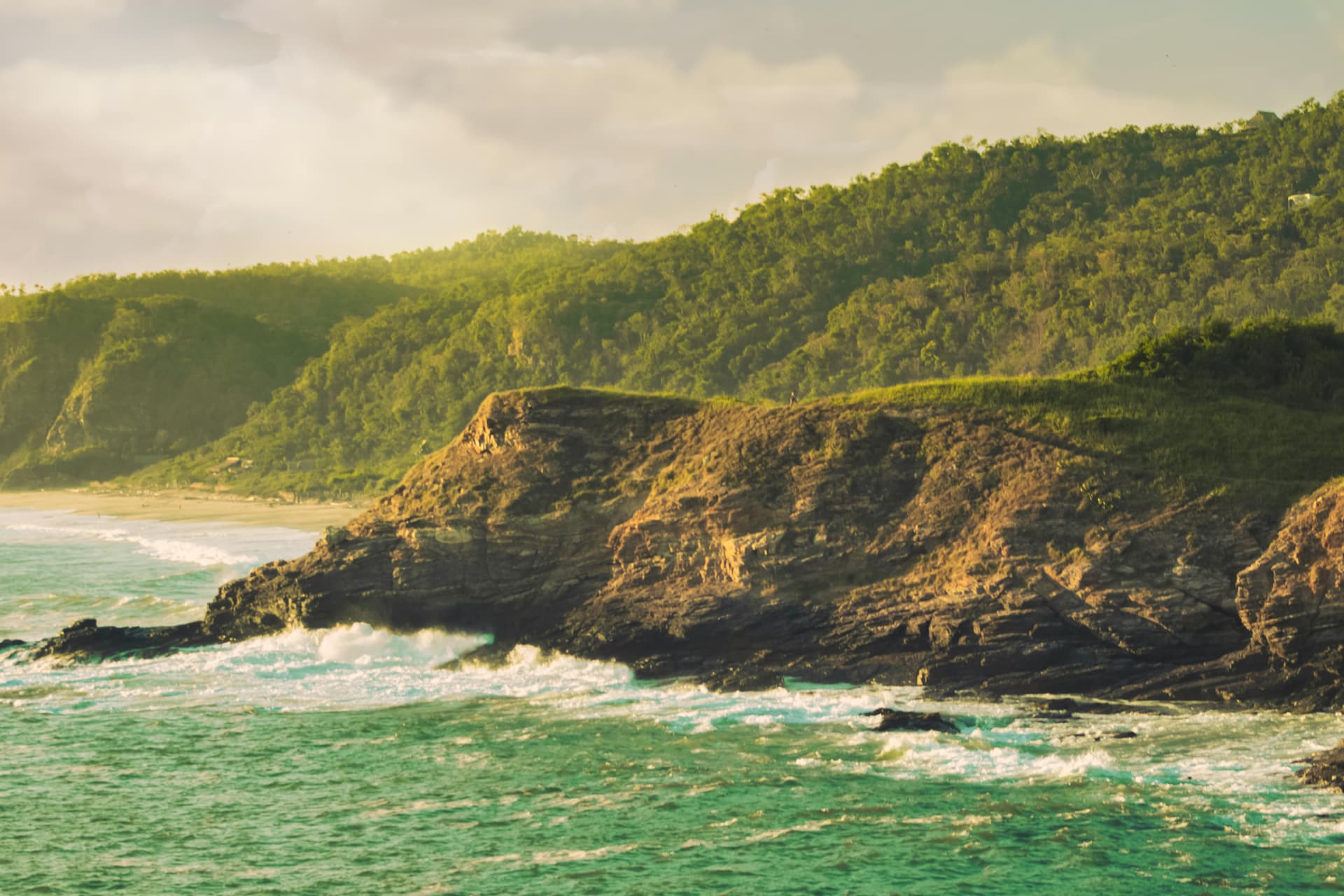
(Picture credit: Ramón Hernández)
Comments
0 commentsJoin the conversation and share your perspective.