Yucatán
OpenRoom put together a mini guide of things you might want to know before your trip to Yucatán! Nevertheless, don't forget to scroll down to the comments to see tips & tricks from travelers who've been there!
MÉRIDA
📍 Where to find activities
→ Plaza Grande (Zócalo) — The main square surrounded by the Cathedral, the Municipal Palace, Casa de Montejo (16th century), and the Palacio de Gobierno. The social heart of the city with free cultural events almost every evening.
→ Paseo de Montejo — A wide boulevard inspired by the Champs-Élysées, lined with French colonial mansions from the henequen boom era. Restaurants, bars, and museums along the avenue.
→ Calle 60 — A pedestrian-friendly street connecting Plaza Grande northward toward Parque Santa Lucía and beyond. Restaurants, galleries, and shops.
→ Mercado Lucas de Gálvez — The main market. Food, produce, crafts, and local life.
→ Free weekly cultural events — Mérida has free government-sponsored events almost every night of the week: Vaquería Yucateca (traditional dance, Mondays), Trova music (Tuesdays and Thursdays at Parque Santa Lucía), Noche Mexicana (Saturdays at Paseo de Montejo), Pok Ta Pok ball game re-enactment (Saturdays near the Cathedral), and Mérida en Domingo (Sundays — streets close for markets, music, and family activities).
📍 Where to eat
→ Centro Histórico — Traditional Yucatecan food (cochinita pibil, papadzules, sopa de lima, panuchos, salbutes). Restaurants around Plaza Grande and Calle 60.
→ Paseo de Montejo — More upscale dining, international restaurants, wine bars.
→ Barrio Santiago / Santa Ana / Santa Lucía — Neighborhood restaurants and local eateries.
📍 Where to go out
→ Calle 60 / Parque Santa Lucía area — Cantinas, mezcalerías, rooftop bars, and live music venues. La Negrita Cantina is a well-known spot.
→ Paseo de Montejo — Wine bars, cocktail bars, and a more polished nightlife scene.
→ Mérida's nightlife is cultural and conversational—cantinas, trova music, and mezcal—rather than mega-clubs.
📍 Where to find culture
→ Gran Museo del Mundo Maya — A modern museum covering Maya civilization from ancient times to the present.
→ Palacio de Gobierno — Government palace on the Plaza Grande with large murals by Fernando Castro Pacheco depicting the history of Yucatán and the Maya.
→ Casa de Montejo — 16th-century mansion on the plaza, now a museum and cultural center.
→ Paseo de Montejo mansions—French- and Italian-influenced architecture from the late 19th and early 20th century henequen era.
→ Festivals — Mérida Fest (January), Carnaval (February), Noche Blanca (biannual cultural night), Hanal Pixán (Yucatecan Day of the Dead, late October).
📍 Nearby destinations
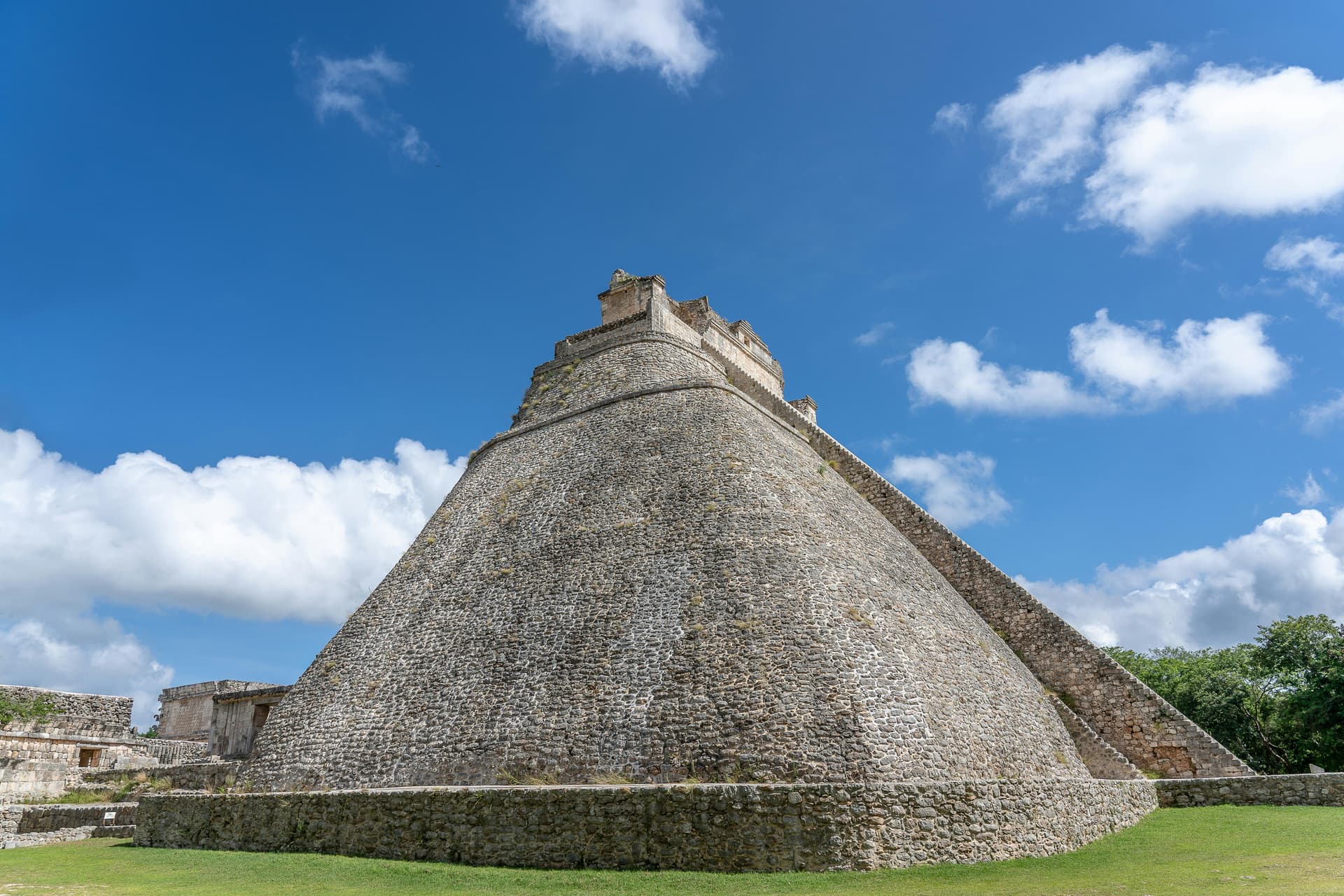
→ Chichén Itzá (1.5 hrs), Uxmal (1.5 hrs), Celestún (1.5 hrs), Izamal (1 hr), Valladolid (2 hrs), Progreso Beach (30 min)
VALLADOLID
📍 Where to find activities
→ Parque Francisco Cantón Rosado — The main plaza with the San Gervasio Cathedral, colorful colonial buildings, and traditional Maya dance performances in the evenings.
→ Calzada de los Frailes — A charming cobblestone street leading from the center to the Convento de San Bernardino de Siena (16th century).
→ Cenotes — Valladolid is the cenote capital of Yucatán. Cenote Zaci is right in the center of town. Nearby: Cenote Suytun (famous for its light beam and platform), Cenote San Lorenzo Oxman (rope swing), Cenote Saamal, and many more within a short drive.
→ Ek Balam—A Mayan archaeological site about 30 minutes north. The main pyramid is still climbable, with stucco carvings of the Maya underworld. Cenote Xcanche is at the entrance.
📍 Where to eat
→ Around the main plaza and Calzada de los Frailes — Yucatecan food, cafés, and a growing mezcal scene.
📍 Where to go out
→ Valladolid has very limited nightlife. A few bars and cantinas around the plaza. This is a daytime and early-evening destination.
📍 Where to find culture
→ Convento de San Bernardino de Siena — One of the oldest churches in the Americas, with a light show projected on the facade some evenings.
→ San Roque Museum — Small museum of local history.
→ The town itself—Valladolid—is a pueblo mágico with colonial architecture, colorful streets, and a slower pace than Mérida.
📍 Nearby destinations
→ Chichén Itzá (40 min), Ek Balam (30 min), Cenotes in every direction (10–30 min), Mérida (2 hrs), Tulum (1.5 hrs)
📍 Nearby destinations (secondary)
Chichén Itzá
→ One of the most visited archaeological sites in Mexico. The pyramid of Kukulcán (El Castillo), the Ball Court, the Observatory (El Caracol), and the Sacred Cenote. About 1.5 hours from Mérida or 40 minutes from Valladolid.
Celestún
→ A small fishing town on the Gulf of Mexico coast, about 1.5 hours west of Mérida. Famous for its flamingo colonies in the Ría Celestún Biosphere Reserve. Boat tours through mangroves to see flamingos, crocodiles, and bird species.
Izamal
→ Known as the "Yellow City" — a pueblo mágico where nearly every building in the center is painted yellow. The Convento de San Antonio de Padua, built atop a pre-Hispanic Maya pyramid, dominates the town. About 1 hour east of Mérida.
Sisal
→ A quiet beach town on the Gulf of Mexico coast, about 1 hour northwest of Mérida. Once the main port of Yucatán for henequen export. Now a low-key beach escape for locals with a long, flat beach and a few seafood restaurants.
📍 Climate by season
Yucatán has a hot tropical climate, slightly drier than Quintana Roo.
Dry season (November–April) — Highs around 28–35°C (82–95°F). Lows around 17–22°C (63–72°F). November through February are the most comfortable months. March through May are the hottest, with highs sometimes exceeding 38°C (100°F) in Mérida.
Rainy season (May–October) — Highs around 30–35°C (86–95°F). Lows around 22–24°C (72–75°F). Hot and humid. Afternoon rains, sometimes heavy. Hurricane season runs June to November.
Year-round — Mérida is significantly hotter than the coast. Valladolid has a similar climate to Mérida. The Gulf coast (Celestún, Progreso, and Sisal) gets ocean breezes that cool things down slightly.
📍 Areas that may not be safe
None found. Nevertheless, make sure to double-check prior to visiting a place that it is safe!
(Picture credit: Mike van Schoonderwalt)
Comments
0 commentsJoin the conversation and share your perspective.